Instruments and amps, Moon Music Studios

Moon Music Studios/Blog/Instruments and amps

Instruments and amps 2010 – 2016

Instruments, synths and amps at Moon Music Studios from 2010 to 2016: Hammond C2, Mellotron, Moog, Korg, Polivoks and Fender amplifiers.

Between 2010 and 2016 the studio posted new instruments and amps. Keys and synths include a Hammond C2 with Leslie 147, a Sommerfeld grand piano (Mike Roelofs), a Moog Prodigy, Korg MS-20, Korg VC-10 vocoder, Polivoks Formanta and the Mellotron, with recordings by Martijn Smits and for Valour Up Twice. Amps and effects include a 1964 Fender Blackface Tremolux, a Fender '63 Tube Reverb, a Moog MF-102 ring modulator and DrNo Effects pedals. Drums: a 1974 Gretsch snare and a test of Zebra Drums. Also the arrival of Royer ribbon mics. The original posts follow below.

2010 – 2016Hammond C2MellotronFender Tremolux15 posts

2010

1 posts

MOOG PRODIGY

Gear

MOOG PRODIGY

The Prodigy was an entry-level monosynth from Moog, which has since become a very popular and widely used Bass-synth in techno and electronic music. It was designed as an affordable dual-oscillator synth. It was,…

read the original post

The Prodigy was an entry-level monosynth from Moog, which has since become a very popular and widely used Bass-synth in techno and electronic music. It was designed as an affordable dual-oscillator synth. It was, however, designed without any help from Bob Moog himself. But that didn't stop the Prodigy from becoming an excellent analog synth!

Its simple yet effective design employs two voltage controlled oscillators (VCOs) with saw, triangle and pulse waveforms...all classic analog stuff! There's also a genuine Moog 24dB / octave lowpass filter (emphasis), A/D/S envelope generator, and LFO with square or sine waveforms and routing to the VCF, VCO or both! Even Portamento, Pitch and Mod wheels.

It is used byÜberzone, Cirrus, Astral Projection, Fatboy Slim, Depeche Mode, 808 State, Prodigy, Howard Jones, Blur, The New Deal, Solaris, Jimmy Edgar, and the Hippos.

2011

1 posts

THE MOOG MF - 102 RING MODULATOR

Gear

THE MOOG MF - 102 RING MODULATOR

The MF-102 Ring Modulator is a direct descendant of the original Moog modular synthesizers. It contains three complete modular functions: a ring modulator, a voltage-controlled carrier oscillator, and voltage-contolled dual-waveform LFO. It can be…

read the original post

The MF-102 Ring Modulator is a direct descendant of the original Moog modular synthesizers. It contains three complete modular functions: a ring modulator, a voltage-controlled carrier oscillator, and voltage-contolled dual-waveform LFO. It can be used to process any instrument-level to line-level signal.

A ring modulator produces sum and difference frequencies between the audio input and a carrier oscillator. The ring modulator's LFO can be used to modulate the carrier frequency. The moogerfooger ring modulator can create effects ranging from subtle tremolo to harmonically rich distortion, gong-like sounds, sweeps, swoops, and divebombs. It can be subtle, or outlandish in it's use - you decide!

The moogerfooger ring modulator's control parameters are signal mix, carrier frequency, LFO rate, and LFO amount. All of the ring modulator's parameters can be controlled by the great feeling knobs that beg to be tweaked as well as with expression pedals or external control voltages. Panel switches select LFO waveform and carrier frequency range. 1/4" jacks are provided for audio input and output, pedal/control inputs, carrier input and carrier output. The heavy-duty yet smooth acting bypass switch allows tabletop or floor use.

Imagine that the ring modulator's carrier oscillator is producing a 500 Hz sine wave, and your input signal is a 100 Hz sine wave. The ring modulator's output will be a complex waveform. You will hear two pitches: 400 Hz and 600 Hz. You will not hear your original input or the carrier oscillator.

2012

1 posts

POLIVOKS FORMANTA

Gear

POLIVOKS FORMANTA

The Polivoks is the most popular vintage Russian synth made in the early 80's and it was among the first synthesizers produced in the USSR. It's purely analog with two voices of polyphony, two…

read the original post

The Polivoks is the most popular vintage Russian synth made in the early 80's and it was among the first synthesizers produced in the USSR. It's purely analog with two voices of polyphony, two oscillators each with triangle, square, saw, two types of pulse waveforms and one noise generator, the levels of which are controlled via the internal mixer. Although the oscillators can become unstable and difficult to tune, the Polivoks is well suited for making screeching sounds and thunderous bass. You can also connect an external audio input for processing through the Polivoks' switchable dual-mode band pass/low pass filter and LFO sections. The LFO, or "Modulator" offers triangle, square, random and noise waveshapes and can be applied to the oscillator level and pitch or the filter cutoff. There are also two ADSR envelopes for contouring the oscillators and filters.

Polivoks had been produced since 1982 by the Formanta electronic factory (one of the biggest at the time); it was sold exclusively in the USSR. Polivoks has its own unique electronic components including a reliable keyboard (49 notes F to E) made with magnetically controlled contacts. Its synthesis modules consist of independent circuit boards, which is convenient for maintenance and repair. In addition, Polivoks is housed in an original rugged aluminum body of uncommon design with handy controls.

2013

3 posts

Gear

DR. No Effects

NEW GEAR: DrNo Effects Drive-O-Matic DrNo Effects Black Magic DrNo Effects More Garry DrNo Effects Madfly DrNo Effects Octofuzz DrNo Effects Kafuzz!! Enter the amazing world of DrNo-Effects, where "legenday vintage sound myths" become…

read the original post

NEW GEAR:

DrNo Effects Drive-O-Matic

DrNo Effects Black Magic

DrNo Effects More Garry

DrNo Effects Madfly

DrNo Effects Octofuzz

DrNo Effects Kafuzz!!

Enter the amazing world of DrNo-Effects, where "legenday vintage sound myths"

become reality and within reach of every Guitar player.

Dr.No has found and captured the legendary myths of the sound we all love,

the "True Vintage Analog Tone". That was only been played and made famous by

our Guitar Heroes like Hendrix, Page, Sabbath, Clapton,

who set that individual and inspiring tone.

Dr.No is dedicated and made it his life work to capture this myth and make

it available and within reach of every modern guitar player that

loves true tone and share love for vintage gear,

but does not want the disadvantage of old gear.

(http://www.moonmusic.eu/studio/moon-studio-gearlist.html)

OCTOFUZZ

This is perhaps my most special and definitely my most “retro” invention to date! Based on all those super sexy but oh so rare and unaffordable Fuzz boxes from the 60s and 70s, the “Octofuzz” really brings that nasty and yet sweet fuzz sound that take you back to legends such as Hendrix and Page. But the “Octofuzz” is not just something for the flower power and garage adepts, it can be used with equal success in today’s more popular genres. For example people who have a Queens Of The Stone Age fetish will simply adore this tone!

This box comes with a toggle switch for the Octaver so it can be used as “just” a fuzz.

KAFUZZ!!

Watch out for this awesome machine! This one sounds like an old Russian Tupolev airplane flying over at low altitude.

With his amazing low deep sound the “Kafuzz!!” takes you back to the times that fuzz was the standard sound of bands like Black Sabbath and a lot of other heroes who made this sound famous. There is no other effect available in the guitar effect world nowadays that provides you with this incredible smooth, deep, fat and distorted sound. The sound of the “Kafuzz!!” puts you as a guitar player right in front and does not suck up all the energy like similar other heavy gain fuzz distorted effects. Its sounds great with heavy cords but even better with good fast and slow hand lead licks. Gain/fuzz and tone pots are tunable with great precision that can provides you with a wide range of possibilities. DrNo has found the cure for your everlasting search for good old reliable fuzz sounds with this effect.

MADFLY

Next up: “The Madfly”! The second stompbox I made and again a heavy duty son of a-you-know-who! Think old Black Sabbath, think Kyuss, think Fu Manchu and you will be thinking in the right direction. The “Madfly” will give you all the low-end fuzz/distortion you could ever wish for!

Whether it is outright Doom Metal or a more subtle Stoner sound you are looking for, look no further; “Mad Fly” has landed!

MORE GARY

Blues, anyone? From Stevie Ray Vaughan’s super defined Stratocaster twang to Jeff Beck’s dramatic Gibson scream, guess what kind of stompboxes made those sounds? Well, let me tell you, if it wasn’t something extremely similar to the “More Gary” I’ll eat my record collection!

This box handles each “moody blues” mode with ease, from very subtle to a hard strum, it will give you the ability to control your tone with more range and texture.

The “More Gary” definitely longs to be combined with a nice little tube amp and with its exceptional controls it will give you endless tweaking possibilities.

BLACK MAGIC

Are you ready for the dirtiest, the filthiest, the grimiest and the absolutely heaviest bass distortion of all times? This is the box that the Devil made me build. Oh yeah, Satan is a bass player! This stompbox from hell aptly named “Black Magic” will not, as most bass distortions do, totally destroy your Low-end sound but in fact raises it to the point of insanity! It wil transform your little shoebox amp into an infernal legion of Ampeg 8×10 growlers that will empty your bowels and shake off your skin!

This ain’t about pickin’ daisies and puppy love…

This is dangerous shit!!!

DRIVE O MATIC

This was the first and most successful DrNo stompbox, it all started here! The first generation was licensed under Blendomatic. From there the development and production of the DrNo stompboxes started. And we soon went from this one box to a still growing repertoire of original and, more importantly, powerful effects!

It all started out as a fun side project while being a guitar roadie for Peter Pan Speedrock. Hearing and seeing the band perform for many years Peter told me he was looking for a good distortion/booster to Boost his lead gain.

With this in mind I designed and manufactured this box and gave it to Peter van Elderen, guitarplayer/vocalist for this Eindhoven powerhouse, and he took to it like a fish to water! Peter now uses “The Drive-o-Matic” live and in the studio which goes to show that it is a versatile and, not unimportantly, a sturdy piece of hardware. So my very first endeavor into the world of effects engineering was an instant success!

This box in combination in with a good “Marshall-esque” 100w amplifier will definitely bring the Rock-n-Roll-Tube-Screamin’-Thunder and can even be used for your more High Gain sounds.

So get yourself a heavy duty guitar, an Eindhoven Amps MJ 100/PPSR amp, “The Drive-o-Matic” stomper, a few hot riffs, a couple of screaming leads and you are good to go!

Gear

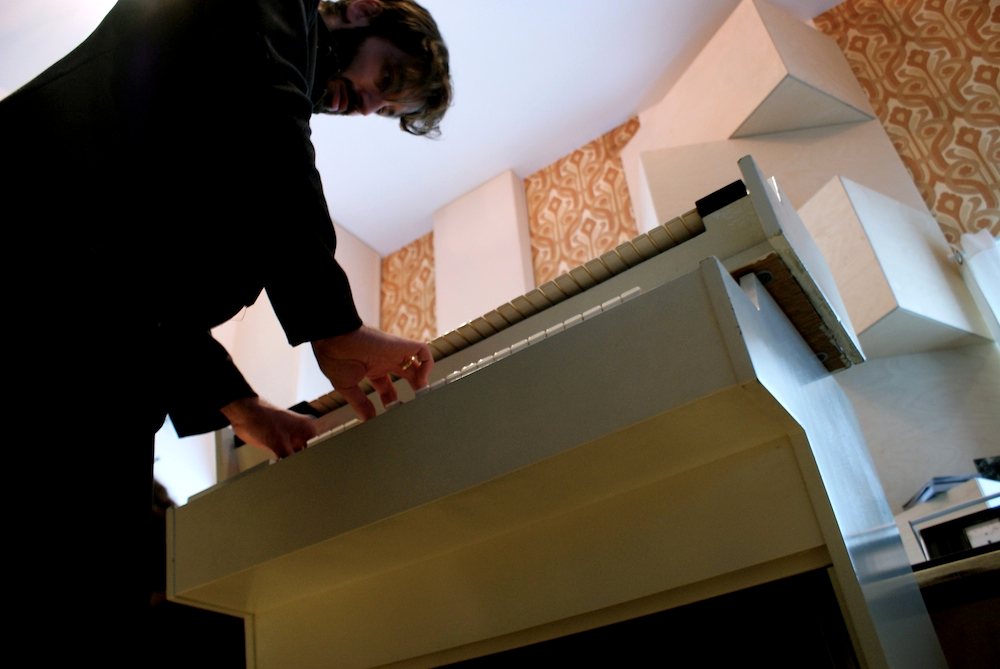
Hammond orgel C2 met percussion + Leslie 147

Hammond orgel C2 met percussion en pedalsustain + Leslie 147

KORG VC -10

Gear

KORG VC -10

Isn't it cute? It's a little polyphonic 20-band vocoder offered by Korg.

2014

5 posts

Gear

NEW GEAR IN THE MOON STUDIO: ROYERS

Yeah! Royers in the Moon Music Sudio!! The R121 ribbon microphone is our flagship microphone. It's everything a ribbon should be -warm, smooth, natural sounding. It's also tough as nails, lightweight, can handle high…

read the original post

Yeah! Royers in the Moon Music Sudio!!

The R121 ribbon microphone is our flagship microphone. It's everything a ribbon should be -warm, smooth, natural sounding. It's also tough as nails, lightweight, can handle high SPL's and live stage use, and comes with a lifetime warranty. Welcome to the new world of ribbon microphones!

Following in the footsteps of our R-121 ribbon microphone, the new Royer R-101 (http://www.royerlabs.com/R-101.html) utilizes our patented offset ribbon transducer, incorporates an advanced, protective wind screen system, and ships with a shock mount and carrying case. It delivers all of the warmth and natural sound you've come to expect from a Royer, at a price that makes it ideal for home recording and project studios.

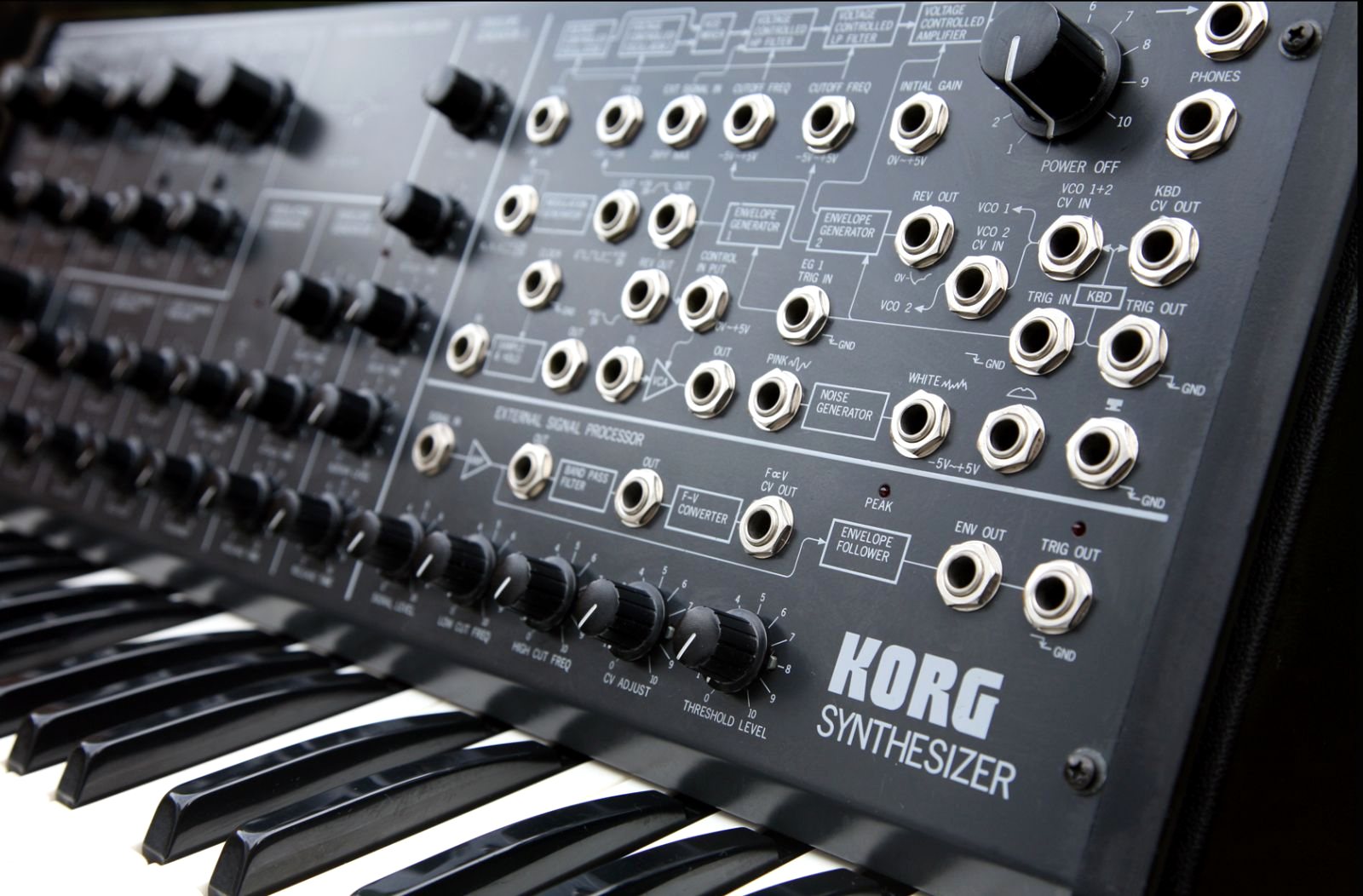
Korg Ms 20, 12 July 2014Korg Ms 20, 12 July 2014

Gear

Korg Ms 20

The MS-20 was one of Korg's first major successful portable analog monosynths and even today it is still a great little machine! The MS-20 is the big brother to the MS-10 (http://www.vintagesynth.com/korg/ms10.php). It is…

read the original post

The MS-20 was one of Korg's first major successful portable analog monosynths and even today it is still a great little machine! The MS-20 is the big brother to the MS-10 (http://www.vintagesynth.com/korg/ms10.php). It is an analog two-oscillator monophonic lead and bass synth with hard wired and patchable connections. The hard-wiring can be overridden however, using patch-cords. This type of hard-wired but patchable design was similar to the ARP 2600 (http://www.vintagesynth.com/arp/arp.php) of the late seventies. Of course the 2600 was much bigger and better. But the MS-20 offered a lot of flexible control and great sounds at a more affordable price.

In addition to two analog oscillators, the MS-20 featured two resonant VCFs (filters), two VCAs, sample and hold, a noise generator, an assignable mod-wheel and lots of knobs! The VCF (filter) section is capable of high-pass, low-pass, notch and band-reject which is unique and different than your basic lowpass style filter. External sound sources can be routed through the filter section as well. In fact William Ørbit uses the filter in his MS-20 relentlessly to filter and tweak his samples, beats, delay returns, vocals, etc.

There's also a Pitch-CV converter for triggering sounds from external sources. Aphex Twin makes quite a bit of use of this, feeding the input stage of his MS-20s with drum sounds and other untrackable audio to get the synth to make a wide variety of crunch/squawp/screech noises by mistracking the filters, etc.

As for its sounds, the MS-20 sounds great! It makes a great alternative for Minimoog (http://www.vintagesynth.com/moog/moog.php)-seekers. The MS-20 is great for just about any type of analog synth sound you could want! Fat round bass sounds, percussive bass or sounds, noise effects, squiggly-bubbly sounds or sinuous-worm leads are all waiting to be unleashed from inside this classic beast. The MS-20 is not only a great sounding instrument, but a great learning-synth. It is fairly easy and intuitive to operate but in doing so you can learn and understand more about synthesis and signal-flow. It is used by William Ørbit, Aphex Twin, Hardfloor, Air, SkyLab, Stereolab, Vince Clarke, Astral Projection, Biosphere, Apollo 440, Mr. Oizo, Jimi Tenor, The Prodigy, OMD, Freddy Fresh, Luke Vibert, Einstuerzende Neubauten, Add N to (X), Daft Punk, Coldcut, Die Krupps, Skinny Puppy, Electronic Dream Planet, Jimmy Edgar, Front 242, Front Line Assembly, The Legendary Pink Dots, KMFDM, Severed Heads, Royksopp, The Faint, The Shamen, Jean-Michel Jarre, and Portishead.

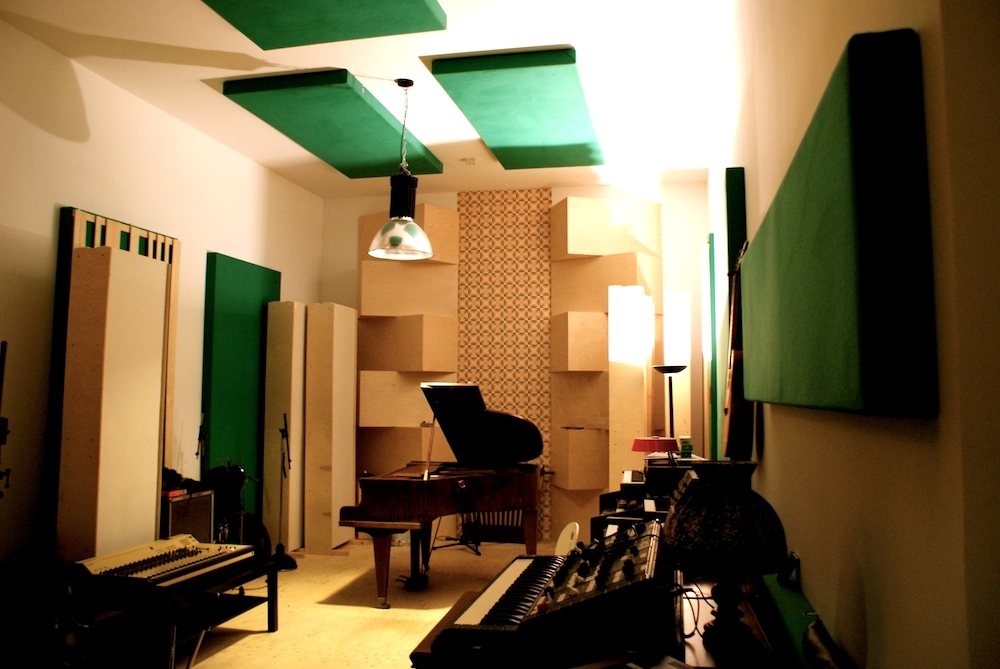
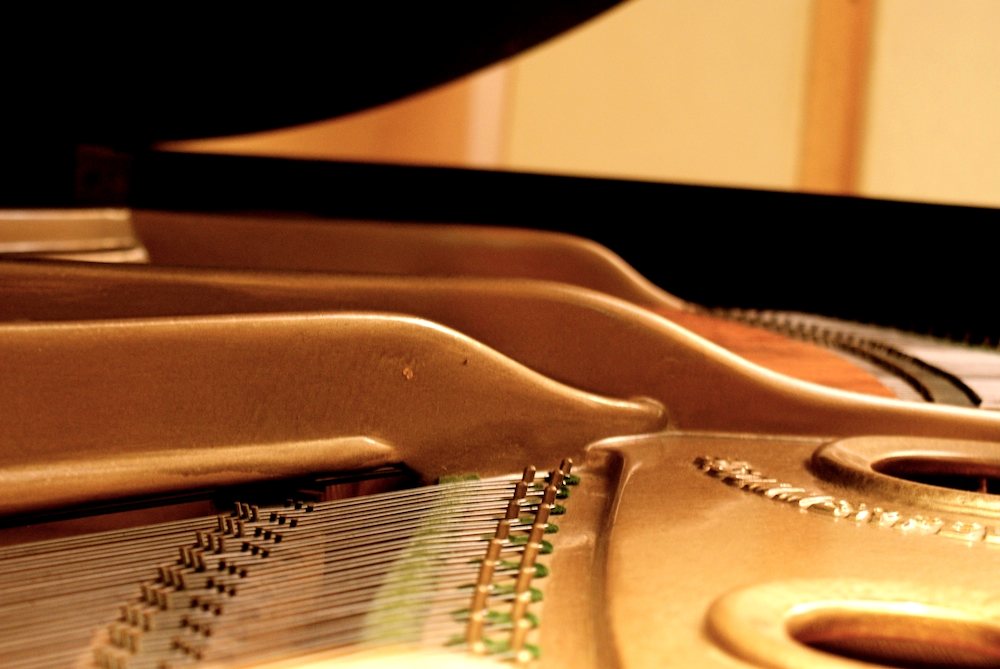
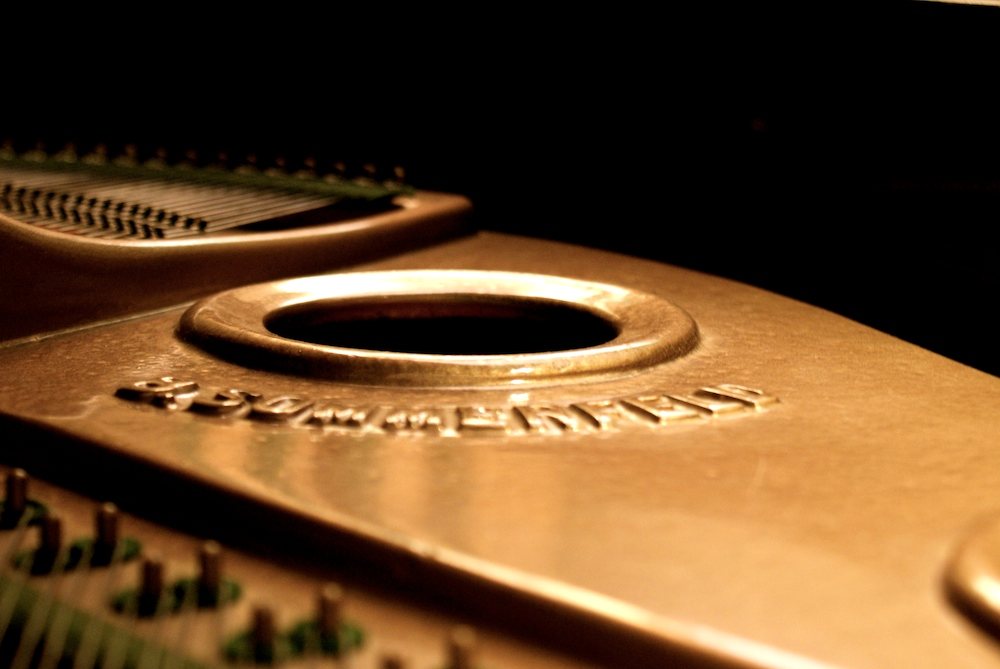
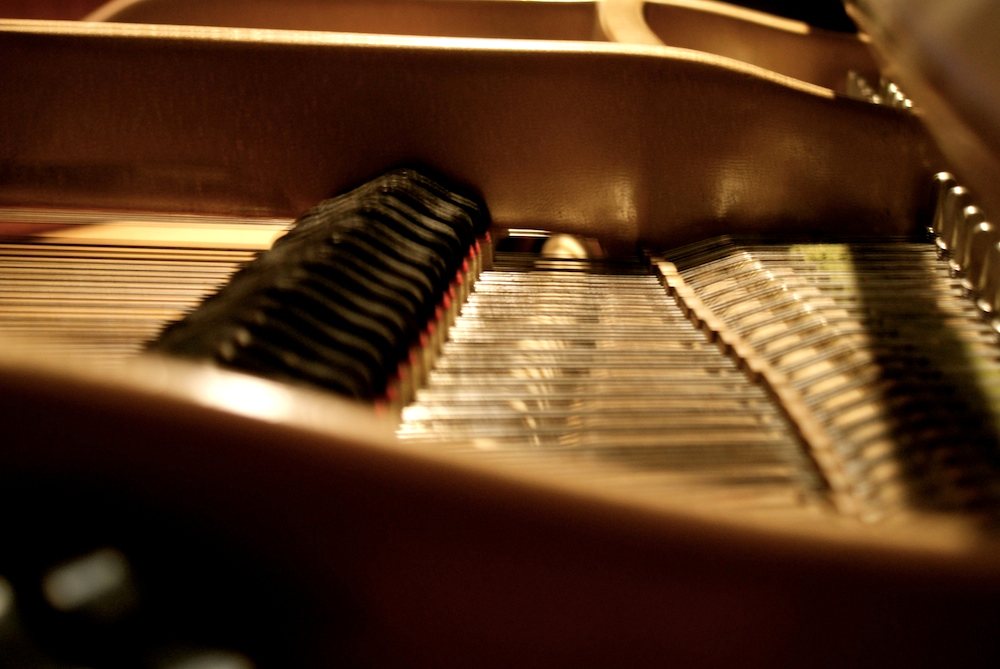
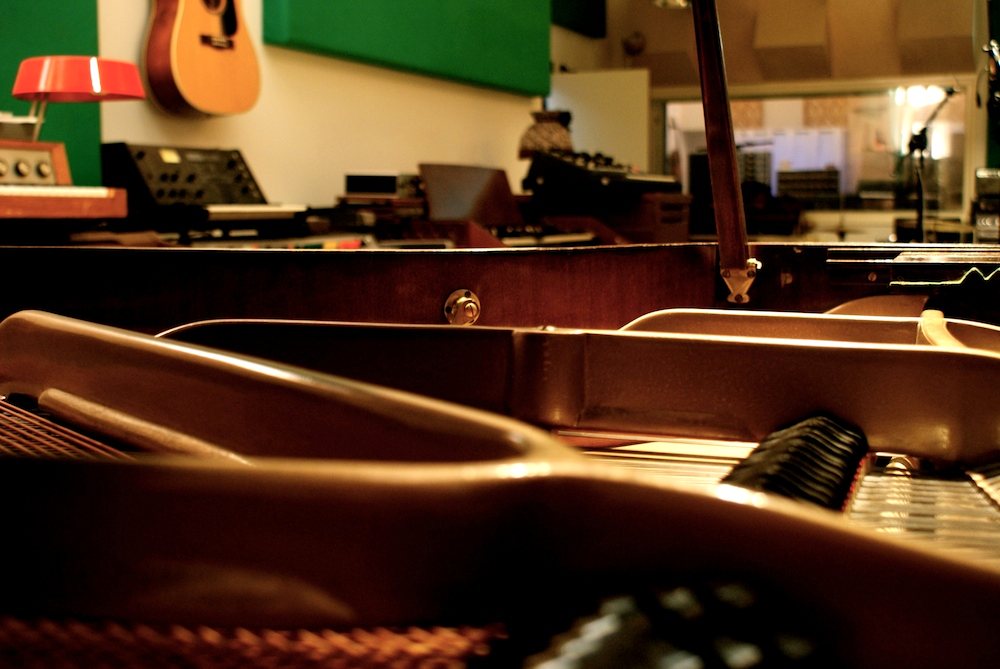
Sommerfeld Vleugel, 27 December 2014Sommerfeld Vleugel, 27 December 2014Sommerfeld Vleugel, 27 December 2014

Gear

Sommerfeld Vleugel

Sommerfeld Vleugel (Mike Roelofs)

read the original post

Sommerfeld Vleugel (Mike Roelofs)

Sommerfeld Vleugel, 27 December 2014Sommerfeld Vleugel, 27 December 2014Sommerfeld Vleugel, 27 December 2014
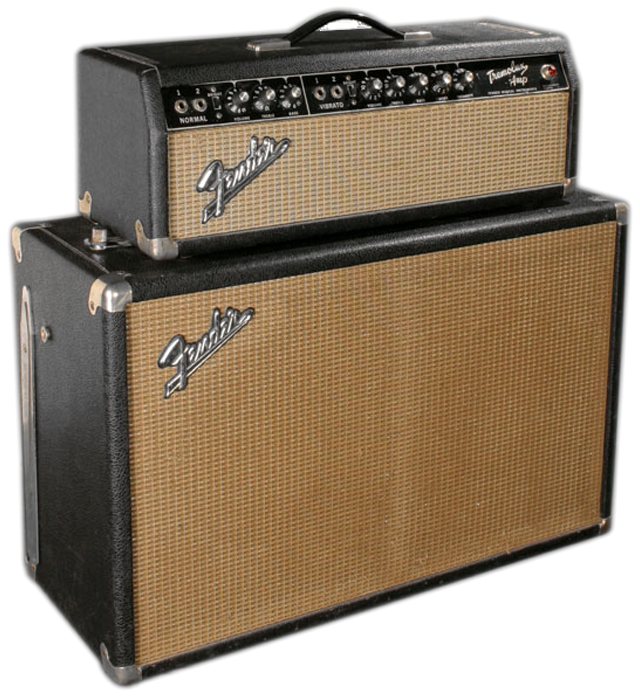
Fender 1964 Blackface Tremolux top & cab, 6 April 2014

Gear

Fender 1964 Blackface Tremolux top & cab

The Fender Tremolux was a guitar amplifier (http://en.wikipedia.org/wiki/Guitar_amplifier) made by Fender (http://en.wikipedia.org/wiki/Fender_Musical_Instruments_Corporation). It was introduced in the summer of 1955 with a rated power output of 15 watts, cathode bias (http://en.wikipedia.org/wiki/Cathode_bias), two 6V6 (http://en.wikipedia.org/wiki/6V6)…

read the original post

The Fender Tremolux was a guitar amplifier (http://en.wikipedia.org/wiki/Guitar_amplifier) made by Fender (http://en.wikipedia.org/wiki/Fender_Musical_Instruments_Corporation). It was introduced in the summer of 1955 with a rated power output of 15 watts, cathode bias (http://en.wikipedia.org/wiki/Cathode_bias), two 6V6 (http://en.wikipedia.org/wiki/6V6) output tubes, and a 5V4 tube rectifier. The Tremolux was the first Fender amp with a built in effect, tremolo (http://en.wikipedia.org/wiki/Tremolo).

In 1957, the rated power output of the Tremolux was increased to 18 watts when it changed to a fixed bias design and a 5U4 rectifier. In 1961, the Tremolux was changed from a 1x12 tweed (http://en.wikipedia.org/wiki/Tweed_(Fender))-fabric covered combo amp to a piggyback amp with oxblood grillcloth, covered with cream tolex (http://en.wikipedia.org/wiki/Tolex). Its rated power output was increased to 30 watts, its output tubes were a pair of 6BQ5 (http://en.wikipedia.org/wiki/6BQ5)/EL84 (http://en.wikipedia.org/wiki/EL84) (the only Fender amp of that time feature them), but was soon changed to 35 watts and a pair of6L6GC (http://en.wikipedia.org/wiki/6L6GC) power tubes with a GZ34 rectifier (circuits 6G9-A and 6G9-B.) There were 10", 12" and 2-10" speaker cabinet configurations (the 2-10" being the majority of amps produced). In 1963, the grillcloth changed to gold colored. In 1964, the cream tolex (http://en.wikipedia.org/w/index.php?title=Cream_(Fender)&action=edit&redlink=1) was replaced with black tolex (http://en.wikipedia.org/w/index.php?title=Blackface_amp_control_plate_(Fender)&action=edit&redlink=1) and the circuit was changed to AB763, which used an optoisolator (http://en.wikipedia.org/wiki/Optoisolator) to couple the tremolo effect, replacing the earlier direct bias-modulation circuits. The Tremolux was discontinued in the summer of 1966.

The early or first Tolex made 6G9 Tremolux Amps were the 6BQ5/EL84 amps starting at Serial Number 100. There were about 179 total 6G9 Tremolux Amps ever built. There was one change in the circuit during the 6G9 EL84 amp lifespan. The latest serial number known is 279, this would make 179 EL84 amps known. If anyone has seen a serial number later than the 279 please post it here. Update: #314 has surfaced. This is one of the most rare amps that Fender had ever made. The EL84 Tremolux did not have professional printed tube charts, but instead they have a typewriter-written tube chart that was copied in a blue-ink mimeograph machine.

Recording Mellotron, 20 October 2014Recording Mellotron, 20 October 2014

Gear

Recording Mellotron

Recording Mellotron with Mellotron Ruud

2016

4 posts

Testing Zebra Drums, 18 January 2016Testing Zebra Drums, 18 January 2016

Gear

Testing Zebra Drums

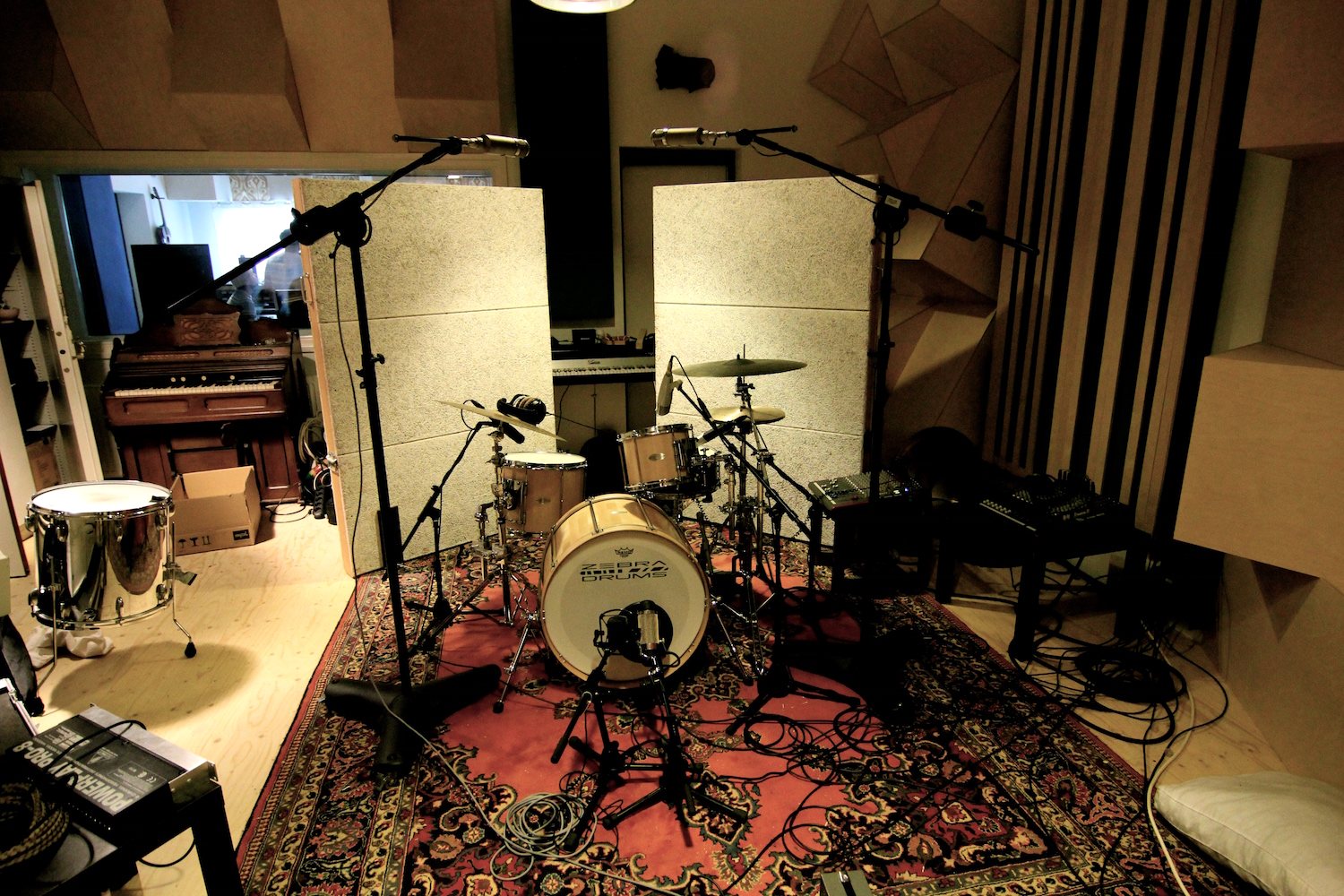
Zebra Drums (http://www.zebradrums.com) is a small company owned and run by Sjoerd van den Beuken, which specializes in the making of handcrafted solid stave snare drums. By being a small company, Zebra Drums can…

New Gear: Fender '63 Tube Reverb

Gear

New Gear: Fender '63 Tube Reverb

The famous all-tube Fender Reverb unit has been a staple of virtually every surf performance and recording since the early ’60s; blues and experimental players love it too. The reissue ’63 Fender Tube Reverb…

Martijn Smits - Recording Mellotron

Gear

Martijn Smits - Recording Mellotron

Recording Mellotron

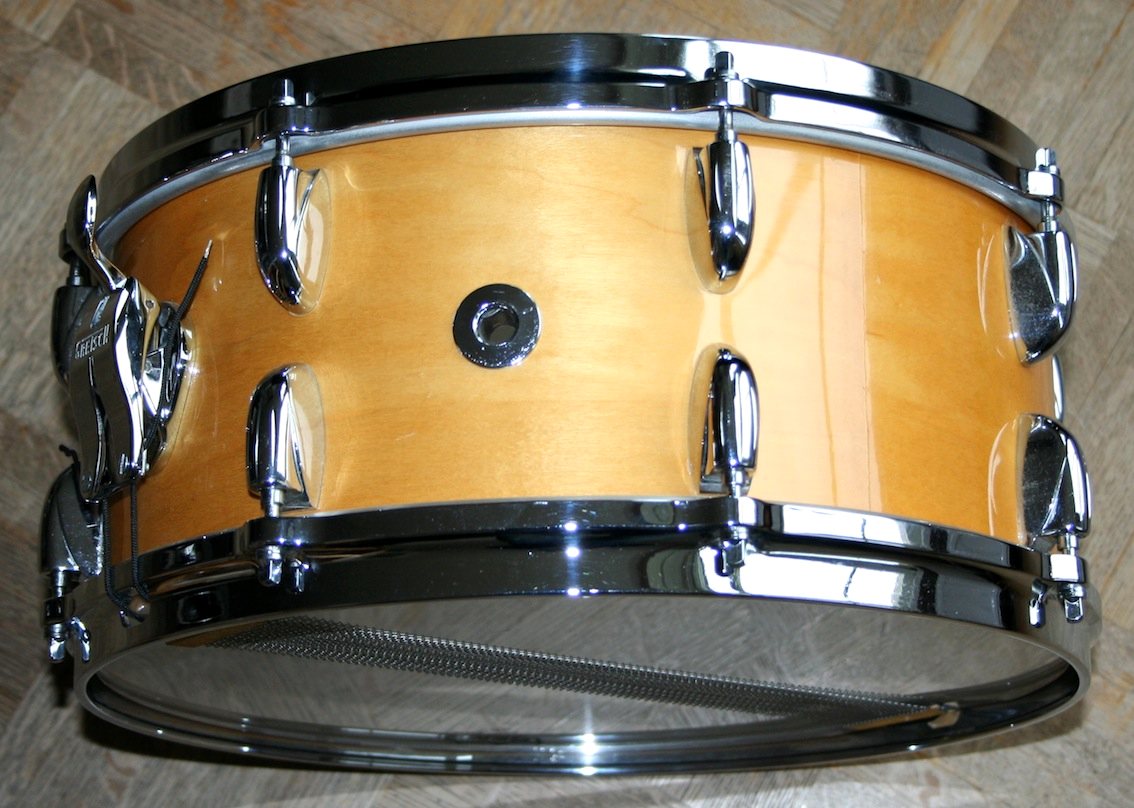
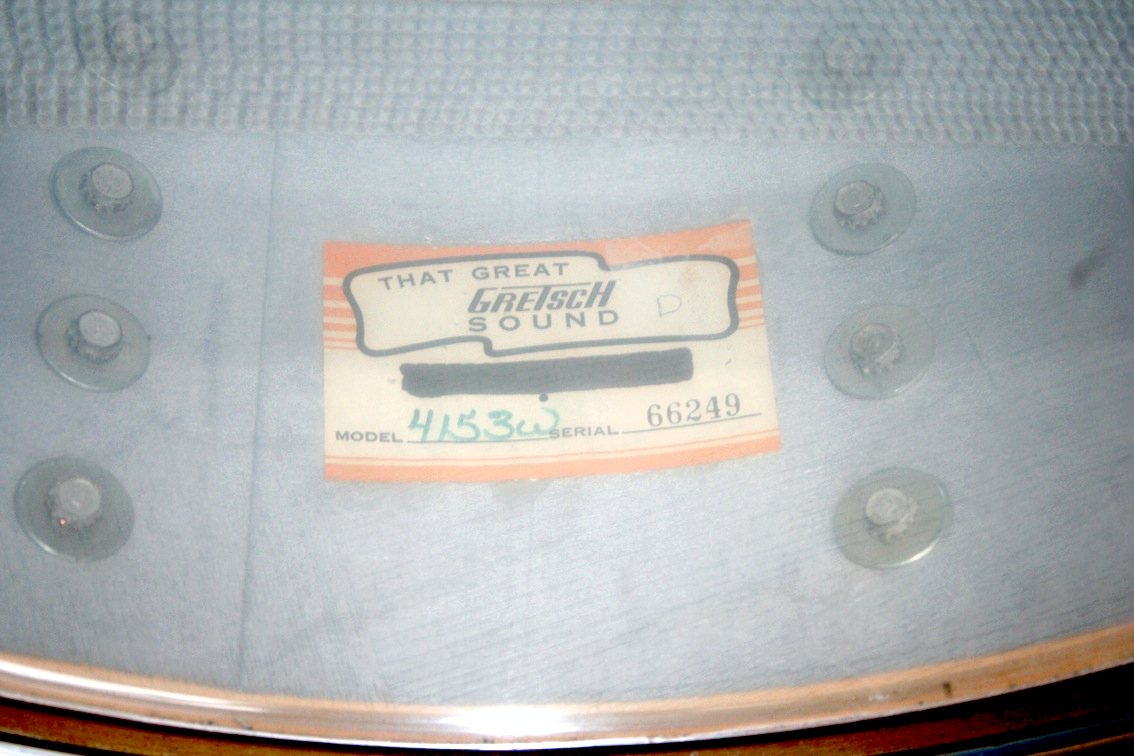
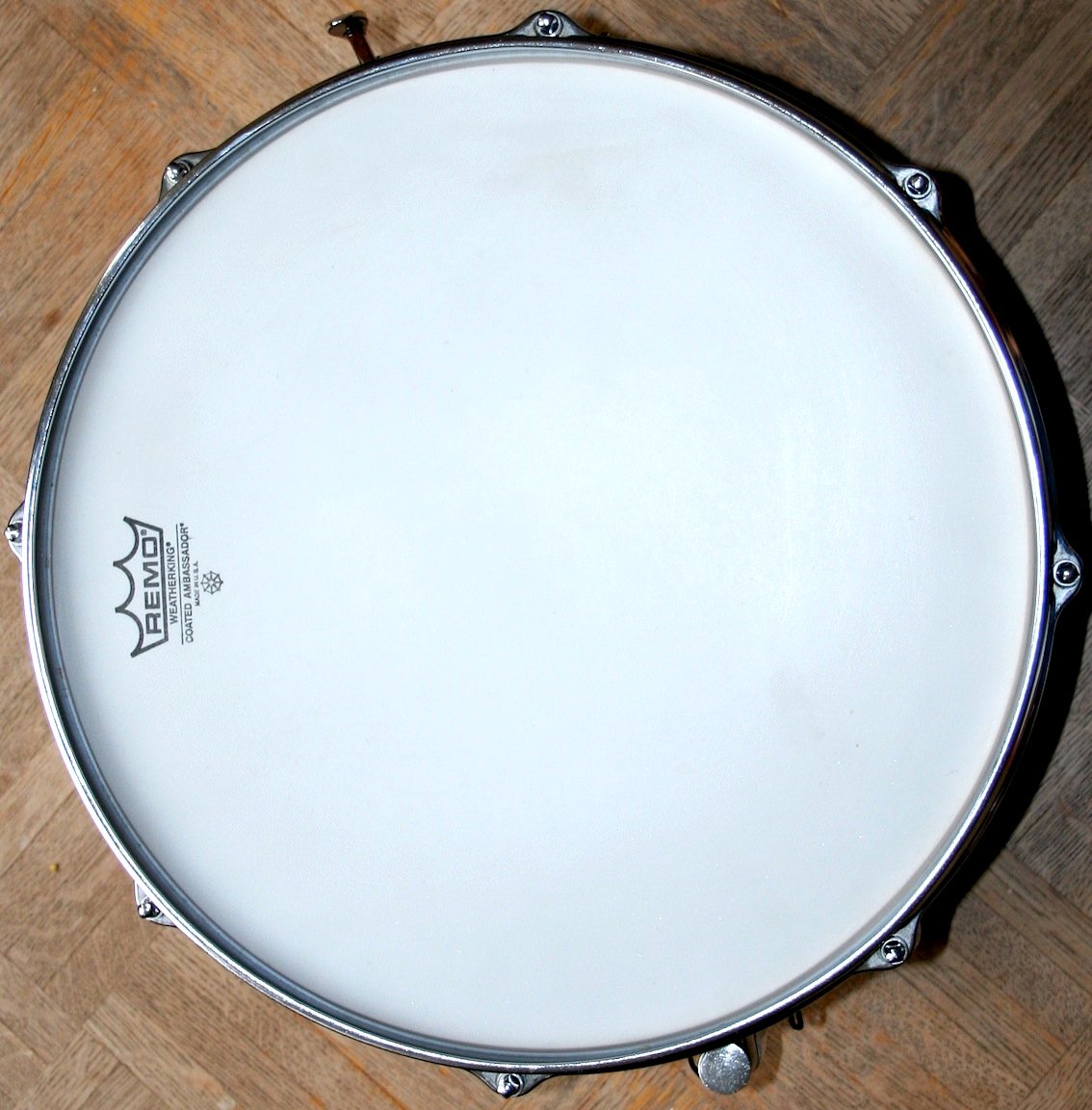
Gretsch Blond Maple 6.5/14 16lug uit '74, 24 April 2016Gretsch Blond Maple 6.5/14 16lug uit '74, 24 April 2016Gretsch Blond Maple 6.5/14 16lug uit '74, 24 April 2016

Gear

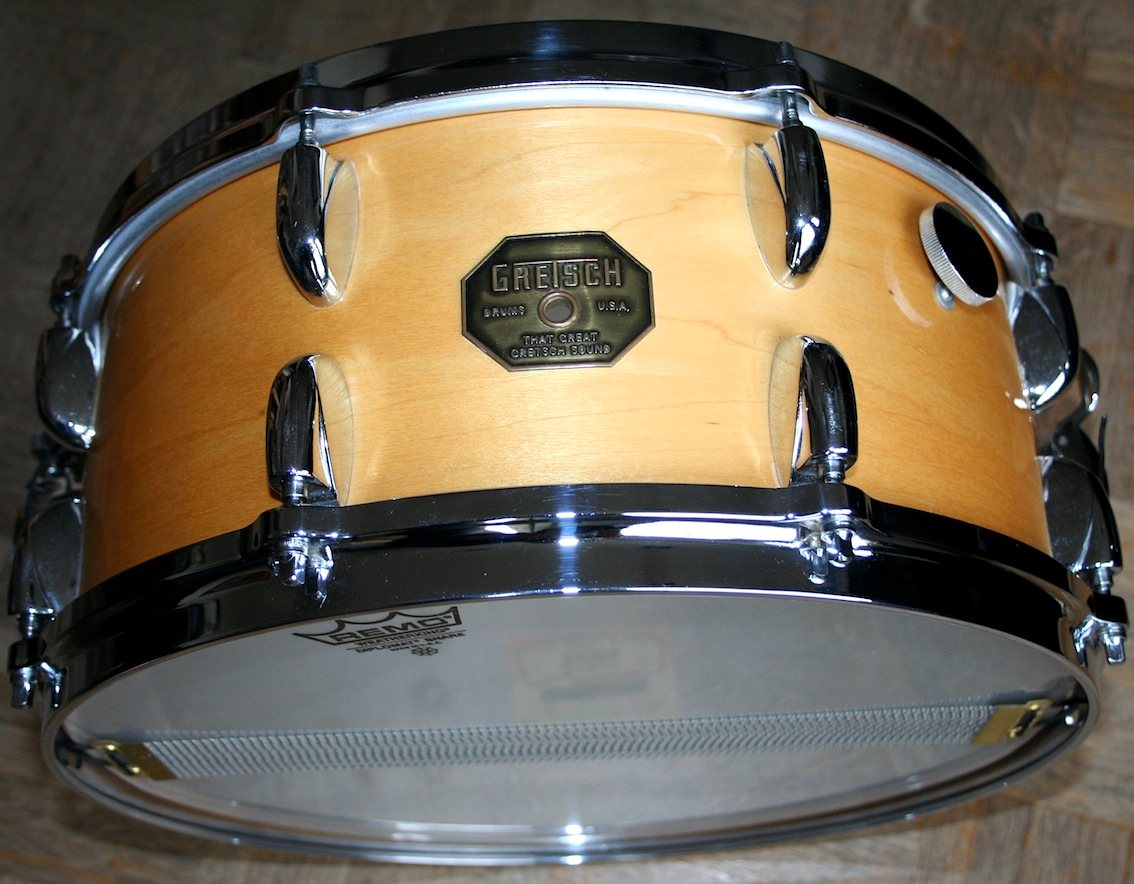
Gretsch Blond Maple 6.5/14 16lug uit '74

read the original post
Gretsch Blond Maple 6.5/14 16lug uit '74, 24 April 2016

Record at the moon

Recording, mixing or a live session in our studios in Maasbracht and Utrecht.

Secret Link