Outboard en effecten, Moon Music Studios

Moon Music Studios/Blog/Outboard en effecten

Outboard en effecten 2012 – 2017

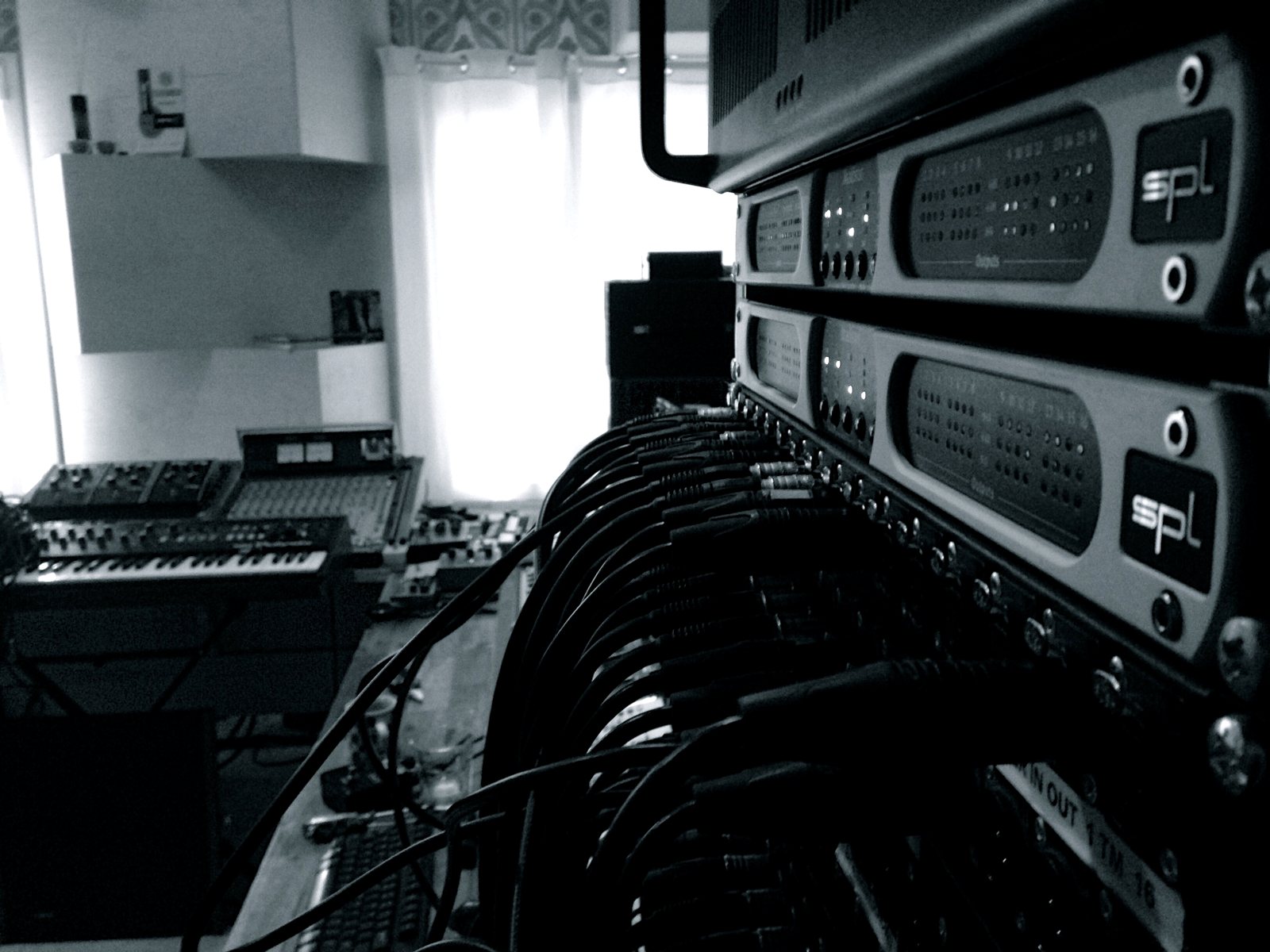
Outboard op de Moon van 2012 tot 2017: EMT-plaatgalm, UA 1176 en LA-2A, SPL Iron en Passeq, en Telefunken V72-voorversterkers.

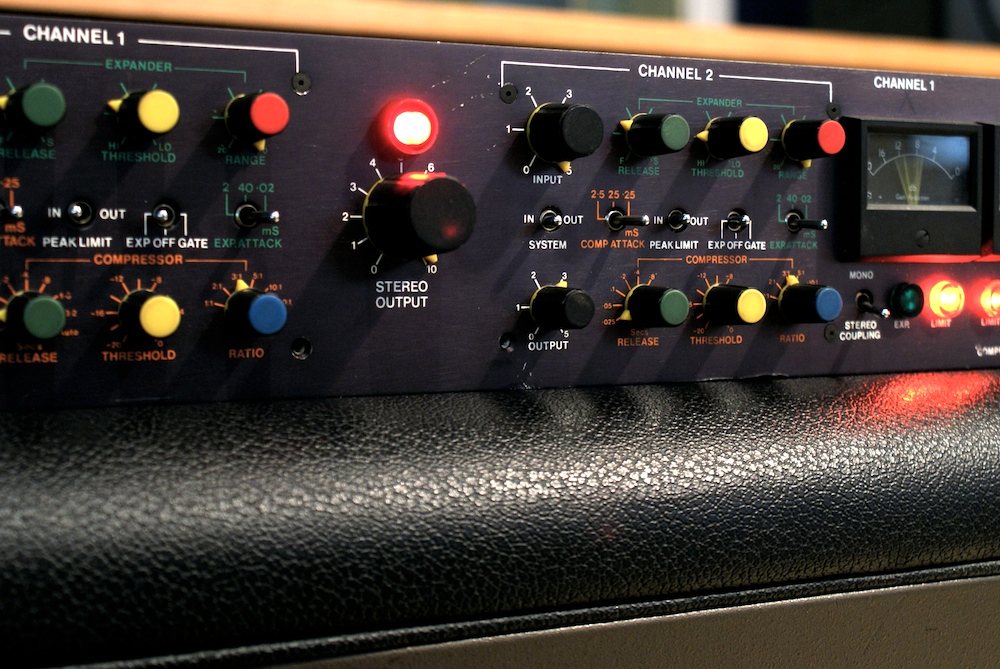
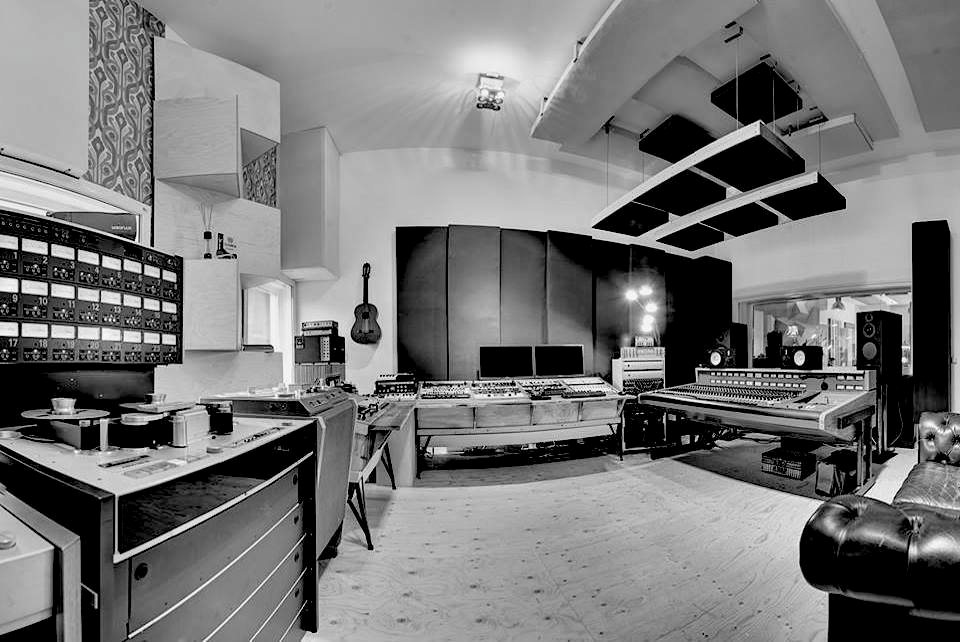
Tussen 2012 en 2017 deelde de studio haar outboard. Bij galm en echo gaat het om de EMT 140 en EMT 240 plaatgalm, een Roland SRE 555 Chorus Echo en een Roland Dimension D. Bij compressie om de UA 1176LN, Teletronix LA-2A, ADR Compex F760X en SPL Iron. Via een endorsementdeal met SPL kwamen de Neos, Passeq, Gainstation en Transient Designer. Bij voorversterkers om Telefunken V72 en NOS Philips EL3710. Andere berichten gaan over Grimm TPR-kabel, een Meyer Brighton 45-versterker, Yamaha NS-10M-monitors en de volledige gearlijst. Hieronder volgen de oorspronkelijke berichten.

2012 – 2017EMT 140SPL17 berichten

2012

2 posts

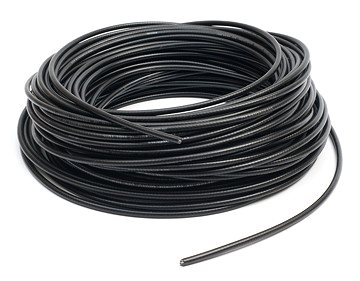
Grimm TPR, 26 juli 2012

Gear

Grimm TPR

Grimm (http://www.grimmaudio.com/) TPR 'Twisted Pair Recording' cable was developed for the rejuvenated Wisseloord Studios in The Netherlands. It offers a quality that approaches our flagship product TPM’s at an affordable price. Now top performance…

lees de originele post

Grimm (http://www.grimmaudio.com/) TPR 'Twisted Pair Recording' cable was developed for the rejuvenated Wisseloord Studios in The Netherlands. It offers a quality that approaches our flagship product TPM’s at an affordable price. Now top performance is economically viable for long lengths of cable.

Grimm Audio cables are developed with physics in mind. Their design focuses on high RF immunity and low microphonics. The perfect symmetry of the cross-section and heavy shielding contribute to high RF immunity. Low microphonics is provided by a special interface layer under the shield and other construction details.

TPR delivers the most natural and least coloured transfer available. Get reference quality for a mainstream price.

ENDORSEMENT DEAL SPL, 26 juli 2012

Gear

ENDORSEMENT DEAL SPL

1*Neos 1*Passeq 2* Gainstation Mic Preamp 2* Premium Mic Preamp 2* Preference Mic Preamp 2* Transient Designer

lees de originele post

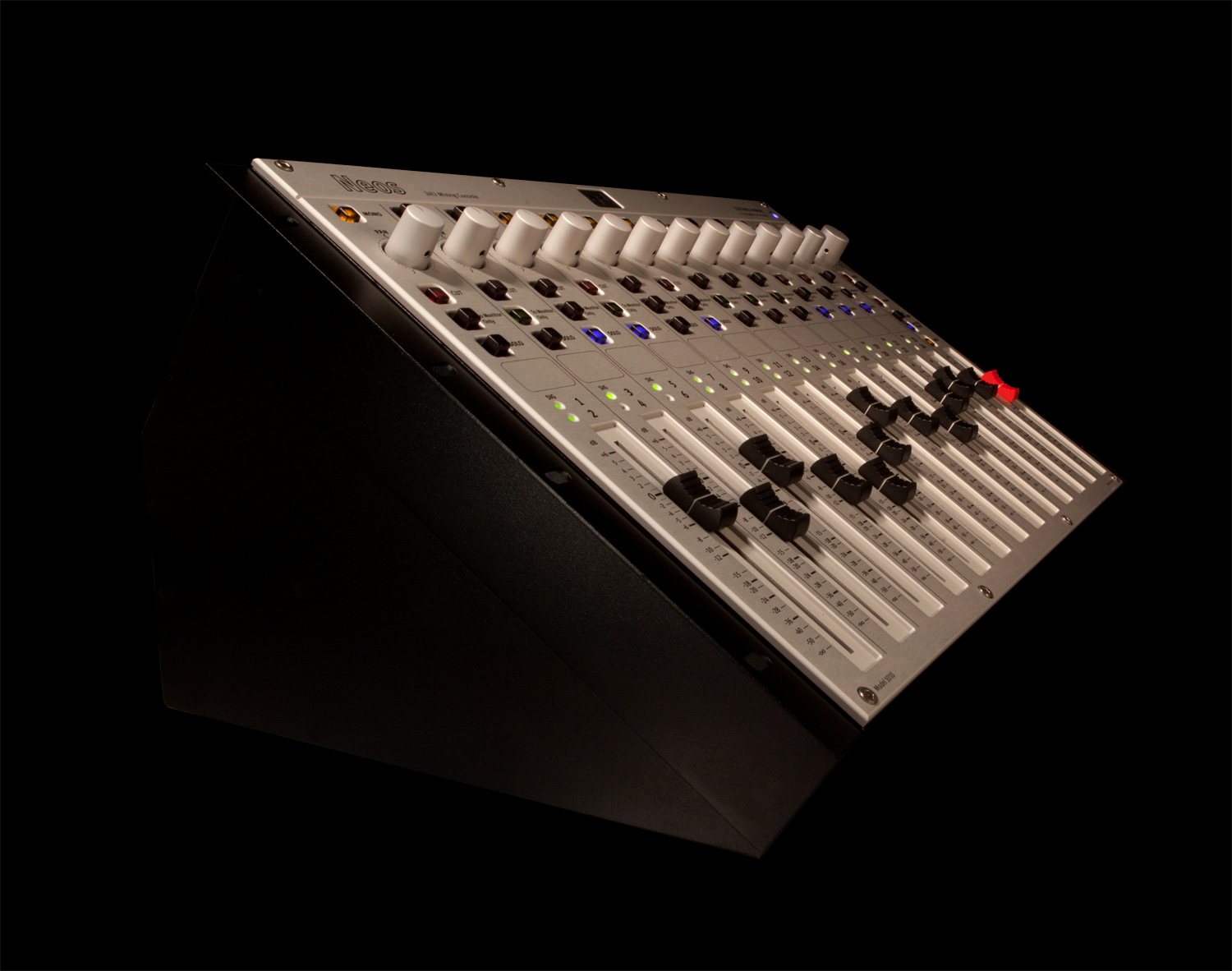
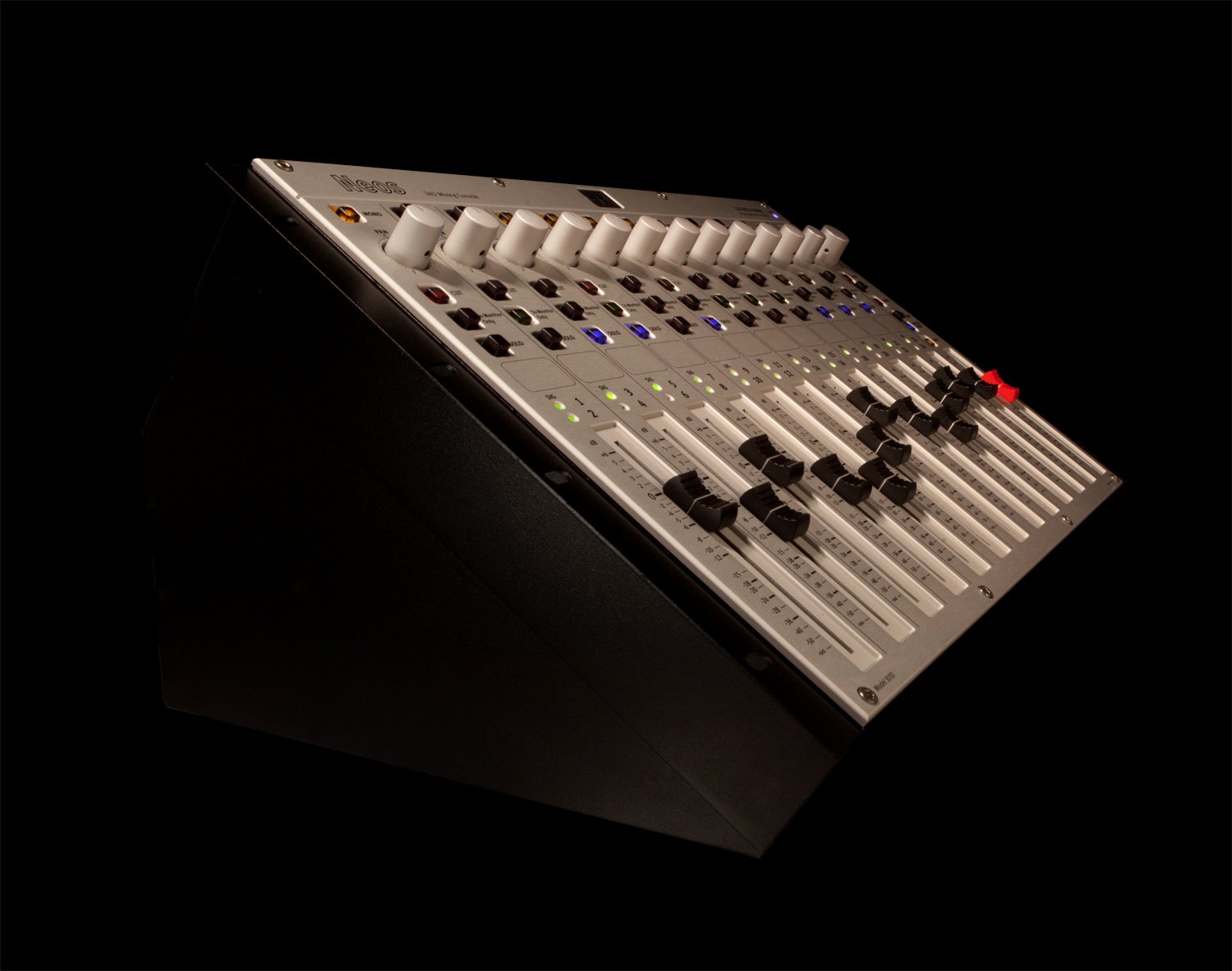
1*Neos

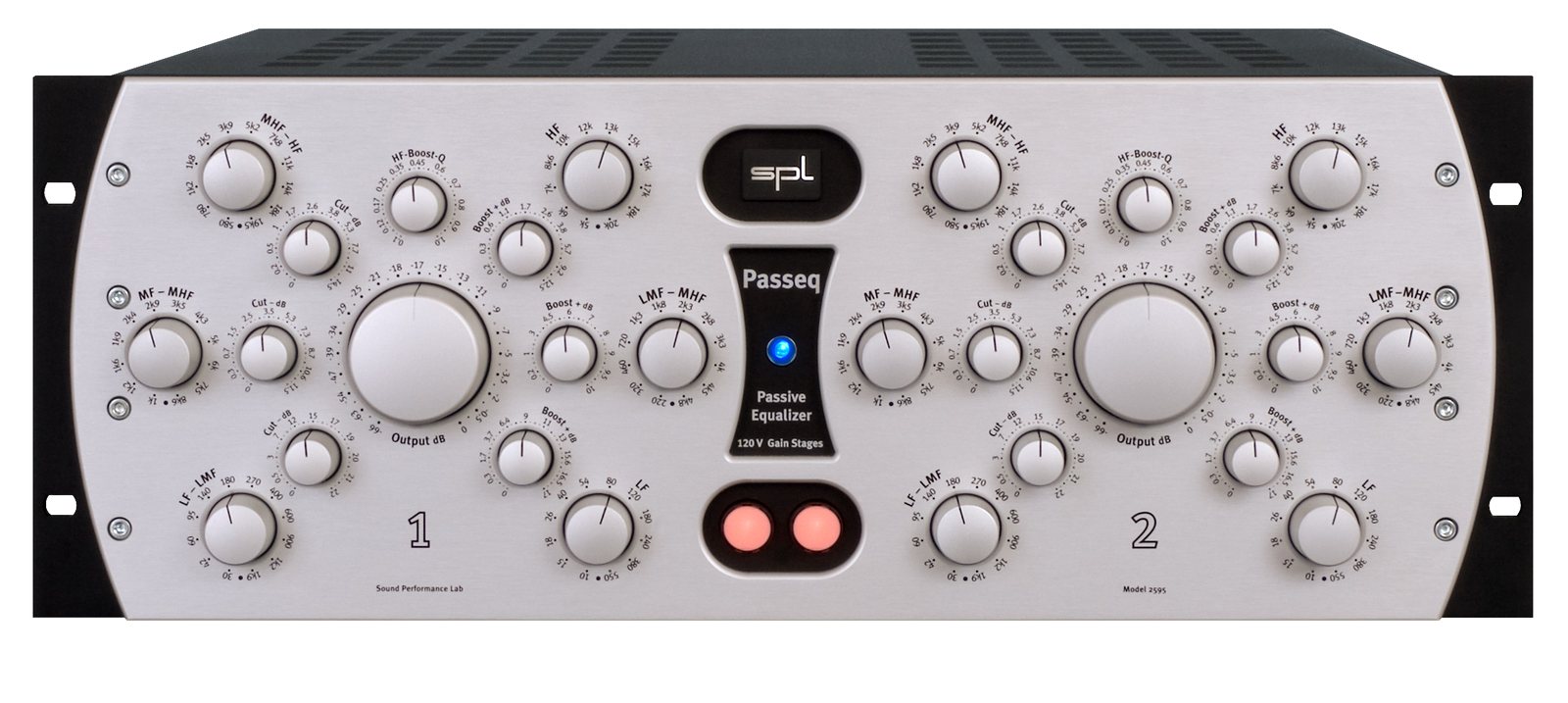
1*Passeq

2* Gainstation Mic Preamp

2* Premium Mic Preamp

2* Preference Mic Preamp

2* Transient Designer

2013

6 posts

Gear

Teletronix® LA-2A Classic Leveling Amplifier

True to the Original Design, our Famed Tube-Amplified T4 Electro-Optical Classic Compressor Audio professionals revere the LA-2A. The original was immediately acknowledged for its smooth, natural compression characteristics. A unique tube-driven electro-optical attenuator system…

lees de originele post

True to the Original Design, our Famed Tube-Amplified T4 Electro-Optical Classic Compressor

Audio professionals revere the LA-2A. The original was immediately acknowledged for its smooth, natural compression characteristics. A unique tube-driven electro-optical attenuator system allows instantaneous gain reduction with no increase in harmonic distortion — an accomplishment at the time, still appreciated today. This faithful Universal Audio reissue marks the rebirth of the Teletronix LA-2A. Painstaking care has been taken to ensure that every new LA-2A provides the performance characteristics of the original. Each unit is point-to-point hand-wired and built in Scotts Valley, California, with every component carefully evaluated for authenticity. As a result, today’s LA-2A will bring the same legendary compression characteristics of the original to all of your recordings.

The most powerful passive EQ ever made, 26 februari 2013

Gear

The most powerful passive EQ ever made

The Passeq is a classic design with passive coil filters and perfectly fulfills the highest expectations in all areas of audio processing, from recording and mixing to mastering and playback. The superior sound qualities…

lees de originele post

The Passeq is a classic design with passive coil filters and perfectly fulfills the highest expectations in all areas of audio processing, from recording and mixing to mastering and playback.

The superior sound qualities and musical characteristics of passive filters ideally meet increasing demands in creating manifold sound colors full of character. In the HiFi domain, the Passeq is the high-end EQ beyond doubt – a perfect tool to solve room acoustical problems by the turn of a knob or improve the sound of old, or inferior, sources.

Roland SRE 555 Chorus Echo

Gear

Roland SRE 555 Chorus Echo

Bow down to the God of reverb and echo, the Chorus Echo RE-501. This amazing Roland effect pedal gives you echo, chorus, reverb, and sound-on-sound, which can be combined for greater variety. With a…

1176 LN Classic Liminting Amplifier, 26 januari 2013

Gear

1176 LN Classic Liminting Amplifier

FET-Style Compressor with Class A Output & Custom Transformers — True to the Original The 1176LN Classic Limiting Amplifier is a modern reproduction, yet every effort was made to remain faithful to UA founder…

lees de originele post

FET-Style Compressor with Class A Output & Custom Transformers — True to the Original

The 1176LN Classic Limiting Amplifier is a modern reproduction, yet every effort was made to remain faithful to UA founder Bill Putnam Sr.’s visionary design and intentions. The original UA 1176LN was a major breakthrough in limiter technology — the first true peak limiter with all transistor circuitry offering superior performance with a signature sound — and set the standard for all limiters to follow. The ultra-fast attack time and trademark sound have lured legendary artists and studio moguls alike to the 1176LN — Peter Frampton, Joe Satriani, Joe Chiccarelli, Vance Powell, and Mike Elizondo are just a few names on a list that’s continued to grow, for nearly 50 years.

NEOS, 26 februari 2013

Gear

NEOS

The Neos is the first summing and monitoring console based on our proprietary 120-volt technology. The basic concept behind it was to combine essential summing capabilities, including faders and panorama controls, with a complete…

lees de originele post

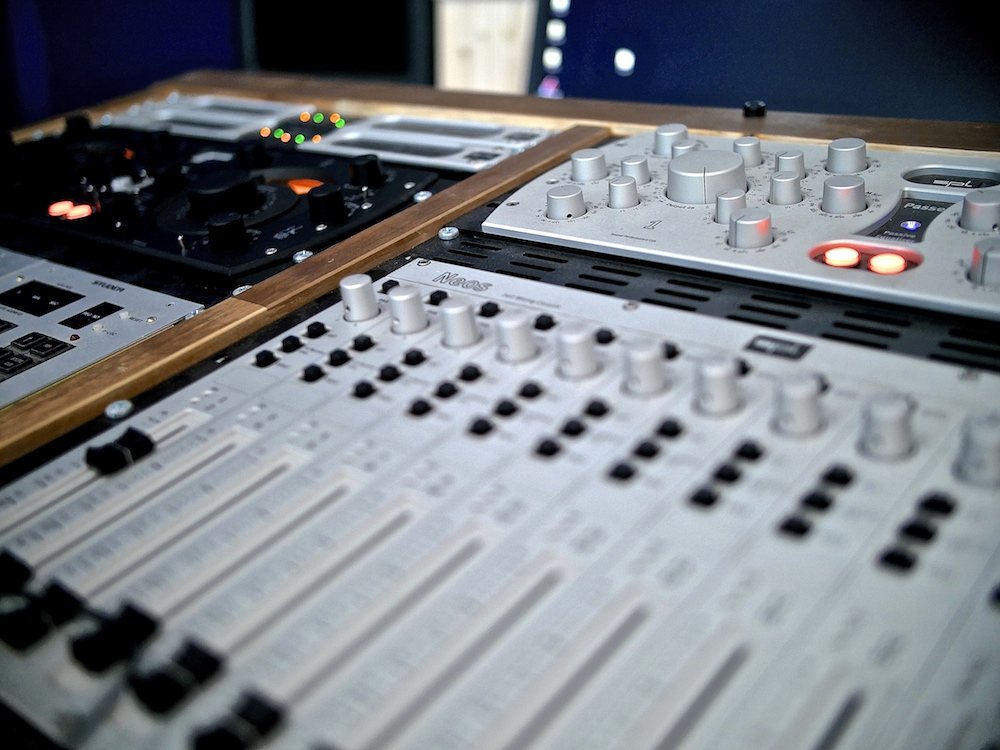
The Neos is the first summing and monitoring console based on our proprietary 120-volt technology. The basic concept behind it was to combine essential summing capabilities, including faders and panorama controls, with a complete and practical monitoring section — all in a compact design. Accordingly, it fulfills the highest expectations regarding sound quality in mixing and monitoring situations.

Thus, the Neos was conceived with sound engineers that set great importance on artistic and musical production in mind and whose workflow does not rely primarily on undo and preset options. Nevertheless, the compact Neos can integrate seamlessly in computer-based environments providing the characteristic high-quality sound and handling of analog devices.

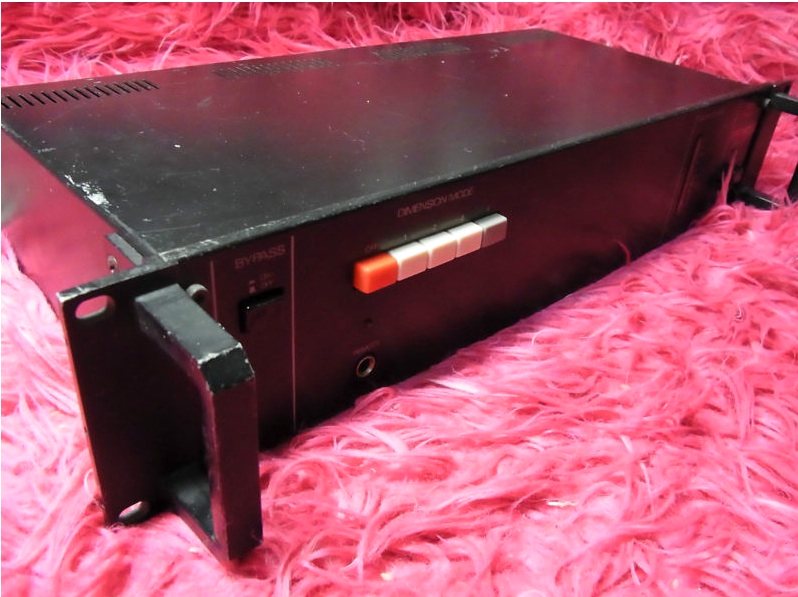
Roland Dimension D, 26 november 2013

Gear

Roland Dimension D

Famous late-1970’s Bucket Brigade Chorus & Sound Enhancing Hardware The Roland Dimension D is a one-of-a-kind studio gem that adheres to the principle of doing one thing, and doing it extremely well. Its one…

lees de originele post

Famous late-1970’s Bucket Brigade Chorus & Sound Enhancing Hardware

The Roland Dimension D is a one-of-a-kind studio gem that adheres to the principle of doing one thing, and doing it extremely well. Its one and only function: some of the best sounding stereo chorus ever made. However, the Dimension D is more than a chorus; it is really a unique sound enhancer for adding spatial and stereo widening effects. This classic 1979 Roland device has been heard on countless records, including luminaries such as Peter Gabriel, Talking Heads and INXS.

2014

3 posts

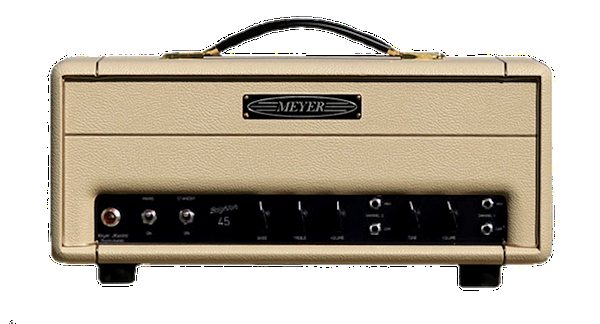
Meyer Brighton 45, 26 juli 2014

Gear

Meyer Brighton 45

Meyer Brighton 45 head combines two differently voiced channels in a high quality custom amplifier. The first channel focusses on the mid tones in the guitar sound while the second channel has a balanced…

lees de originele post

Meyer Brighton 45 head combines two differently voiced channels in a high quality custom amplifier. The first channel focusses on the mid tones in the guitar sound while the second channel has a balanced tone with lots of low end and high sparkle. The power amplifier uses a set of selected and matched 6L6GC tubes ans is powered by high quality transformer and a GZ34 rectifier tube. The pre-amps section used two ECC83/12AX7 tubes and a single ECC832 (12WD7) tube.

Like the Brighton 45 combo this amplifier handles the power for home, studio and live performances. The Brighton 45 head may be combined with a 1×12 or 2×12 speaker cabinet using Celestion V30 or G12M65 speakers and accepts extension cabinets at 4, 8 and 16 ?. Also available in a 14W and 20W head and 14W, 20W and 45W combo.

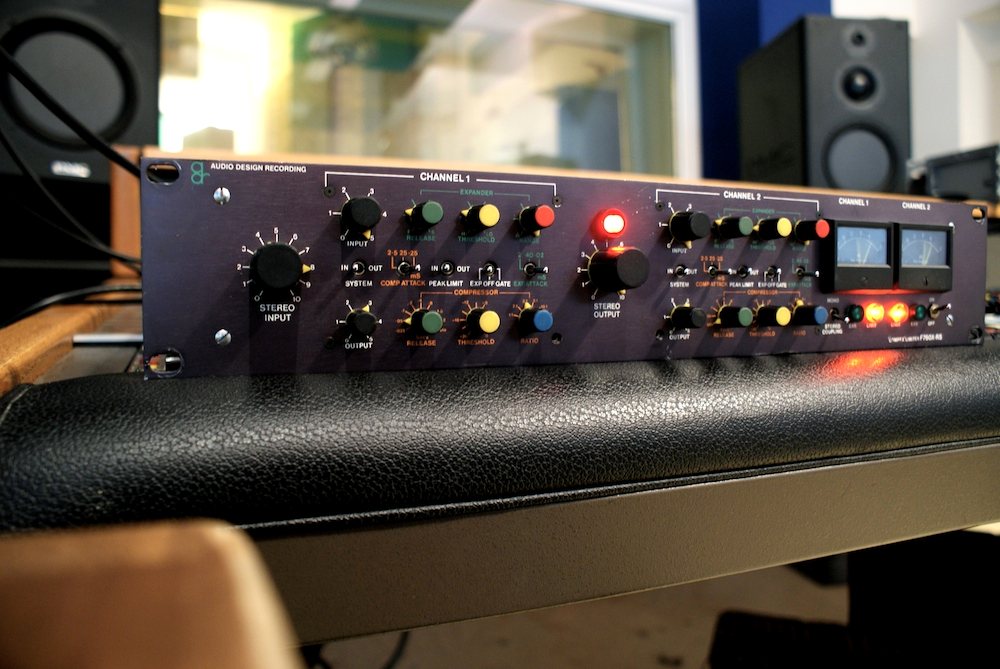
Audio Design F760X Original Vintage, 16 december 2014Audio Design F760X Original Vintage, 16 december 2014

Gear

Audio Design F760X Original Vintage

Renowned for decades by top engineers as the quintessential box for larger-than-life drum sounds! The ADR Compex F760X-RS may be the best compressor/limiter available for drum room mics and drum bus duties and is…

lees de originele post

Renowned for decades by top engineers as the quintessential box for larger-than-life drum sounds! The ADR Compex F760X-RS may be the best compressor/limiter available for drum room mics and drum bus duties and is also highly sought-after for the character and punch it adds to guitars along with a myriad of other sources... And now it can be yours!

Features:

Classic FET based compression/peak limiting/gating, all available individually

Switchable compression ratios - 1:1, 2:1, 3:1, 5:1, 10:1, 20:1

Switchable compression threshold in 2dB steps

Switchable attack times - 250µs, 2.5ms, 25ms

Switchable release times ranging from 25ms to 3.2s plus "auto" setting

Peak limiting (100:1) with switchable 50µs pre-emphasis setting (useful for de-essing)

Expander/gate with 20dB of noise reduction

Compressor side-chain insert (can be internally modded to control the gate, instead)

Stereo linkable

Swiss-made ELMA™ rotary switches

Conductive plastic potentiometers

(https://www.google.com/search?client=safari&rls=en&q=Audio+Design+F760X&ie=UTF-8&oe=UTF-8)

EMT 140 Vintage Tube Plate Reverb, 8 november 2014EMT 140 Vintage Tube Plate Reverb, 8 november 2014EMT 140 Vintage Tube Plate Reverb, 8 november 2014

Gear

EMT 140 Vintage Tube Plate Reverb

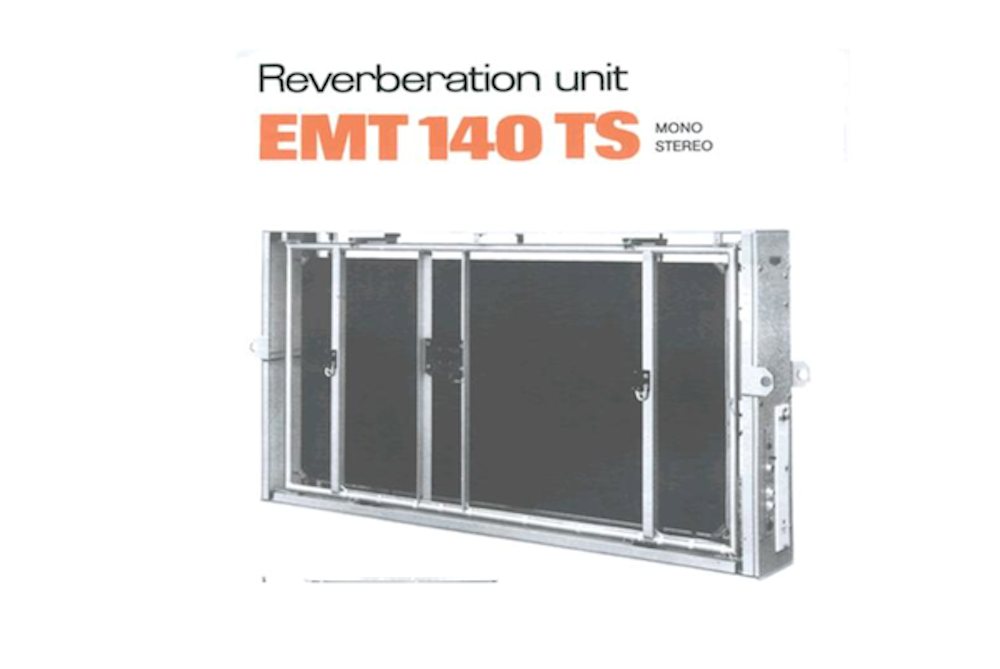
Moon Music Vintage Reverbs EMT 140 Plate Reverb - EMT 240 Goldfoil Plate Reverb - Akg BX 15 Spring Reverb - Akg BX 20 Spring reverb - Roland Space Echo re201 Tape echo -…

lees de originele post

Moon Music Vintage Reverbs

EMT 140 Plate Reverb - EMT 240 Goldfoil Plate Reverb - Akg BX 15 Spring Reverb - Akg BX 20 Spring reverb - Roland Space Echo re201 Tape echo - Roland SRE 555 Chorus Tape Echo- Watkens Copicat Tape Echo

Developed by Dr. Walter Kuhl at the Institute for Broadcast Technology in Hamburg, the EMT 140 used the concept of vibrating a large, thin metal sheet (about 1x2 meters and half a millimeter in thickness). The metal plate was suspended by springs from a rigid metal frame enclosed in a heavy wooden case. The vibrations were generated by a center-mounted transducer (essentially a speaker-style driver) that was amplified and fed from an effects send, with the reverb output coming from a mic-style pickup transducer placed at the outside of the plate. The system’s “reverb time” was controlled (or at least kept from going out of control) by a damping pad that pressed against the plate.

The results hardly sounded like a cathedral but were thick and diffuse, and well-suited to vocals and drums. Given their massive size, 400-plus-pound weight and need to be placed in a vibration-free/noise-free space, plates were hardly the perfect solution but sounded far better than spring reverbs and were much cheaper than building acoustic chambers. In 1961, EMT debuted the Model 140S, which added a second output pickup for a stereo effect. Even with the power of modern DSP to conjure up almost any space, nearly all of today’s digital reverbs include plate reverb programs

2015

3 posts

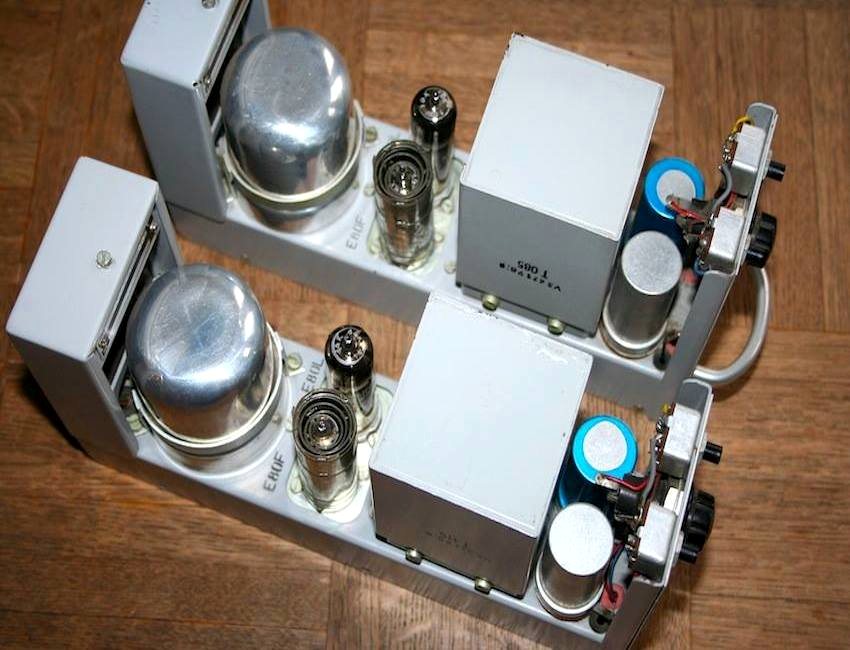
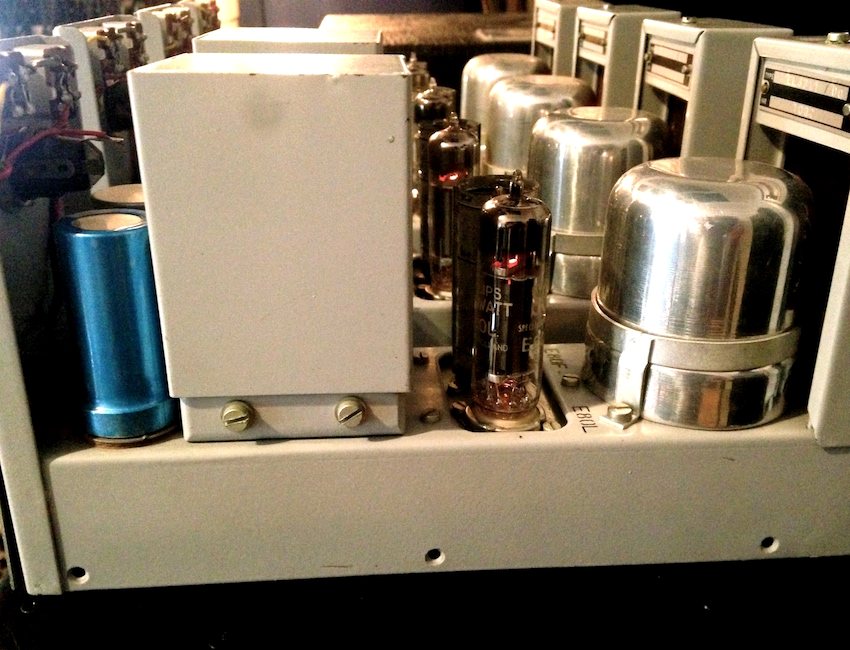
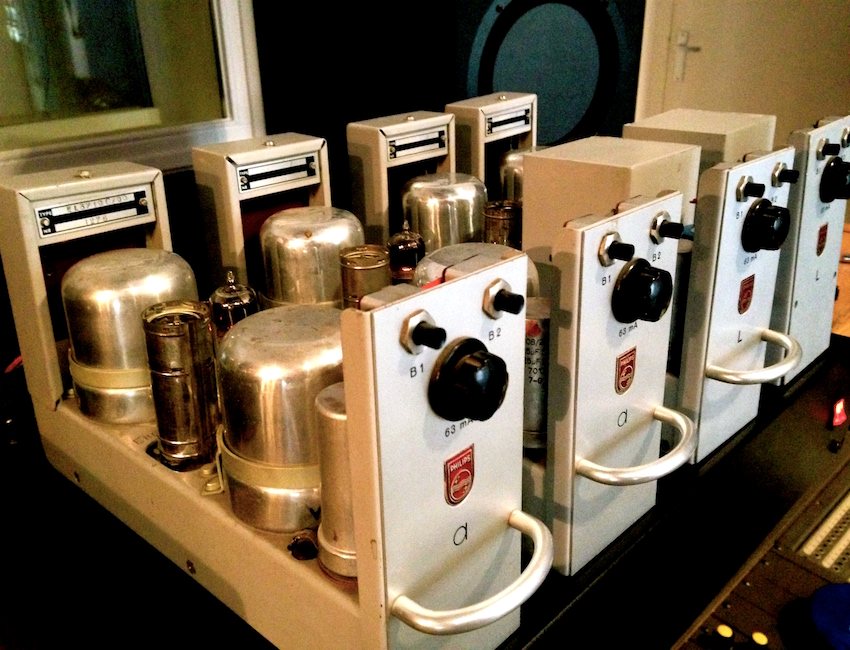
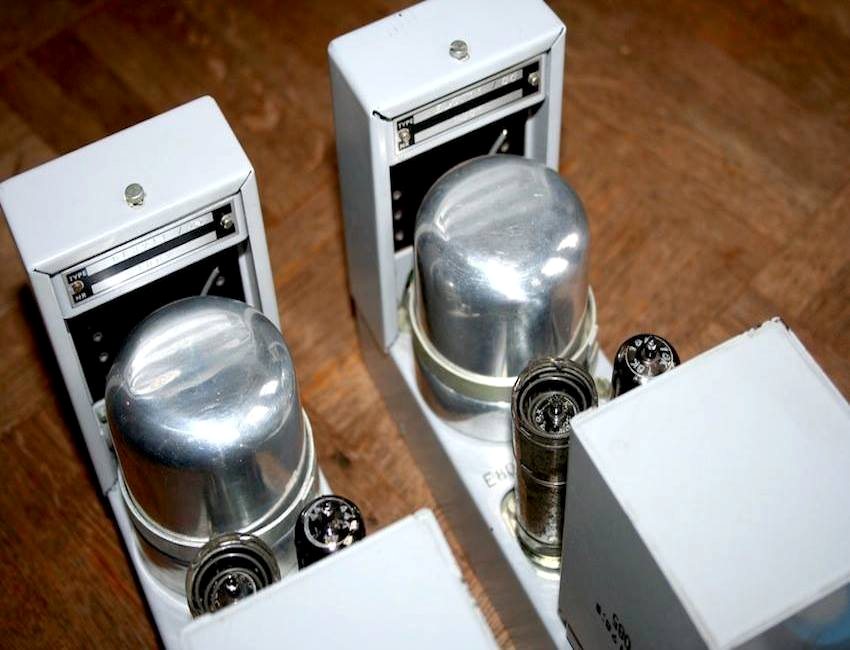
NOS PHILIPS EL3710 Tube Preamps, 30 april 2015NOS PHILIPS EL3710 Tube Preamps, 30 april 2015NOS PHILIPS EL3710 Tube Preamps, 30 april 2015

Gear

NOS PHILIPS EL3710 Tube Preamps

Preamps: MCI JH 636 - 32 Channels Studer 169 - 10 Channels Studer 903 - 32 channels 2* Telefunken V72 4* NOS Philips EL3710 Tube Mic Preamps 2* SPL Gainstation 2* SPL Premium Preamps…

lees de originele post

Preamps:

MCI JH 636 - 32 Channels Studer 169 - 10 Channels Studer 903 - 32 channels 2* Telefunken V72 4* NOS Philips EL3710 Tube Mic Preamps 2* SPL Gainstation 2* SPL Premium Preamps 2* SPL Preference Preamps API 3124 Preamps API 3124 mb+ Mixer Preamps API 521C Preamp Vintage Design M581 MK 2 Manley Langevin DVC 4* Siemens V276 2* Telefunken v672 Torre Seem -18 Channels

NOS PHILIPS EL3710 Tube Preamps, 30 april 2015
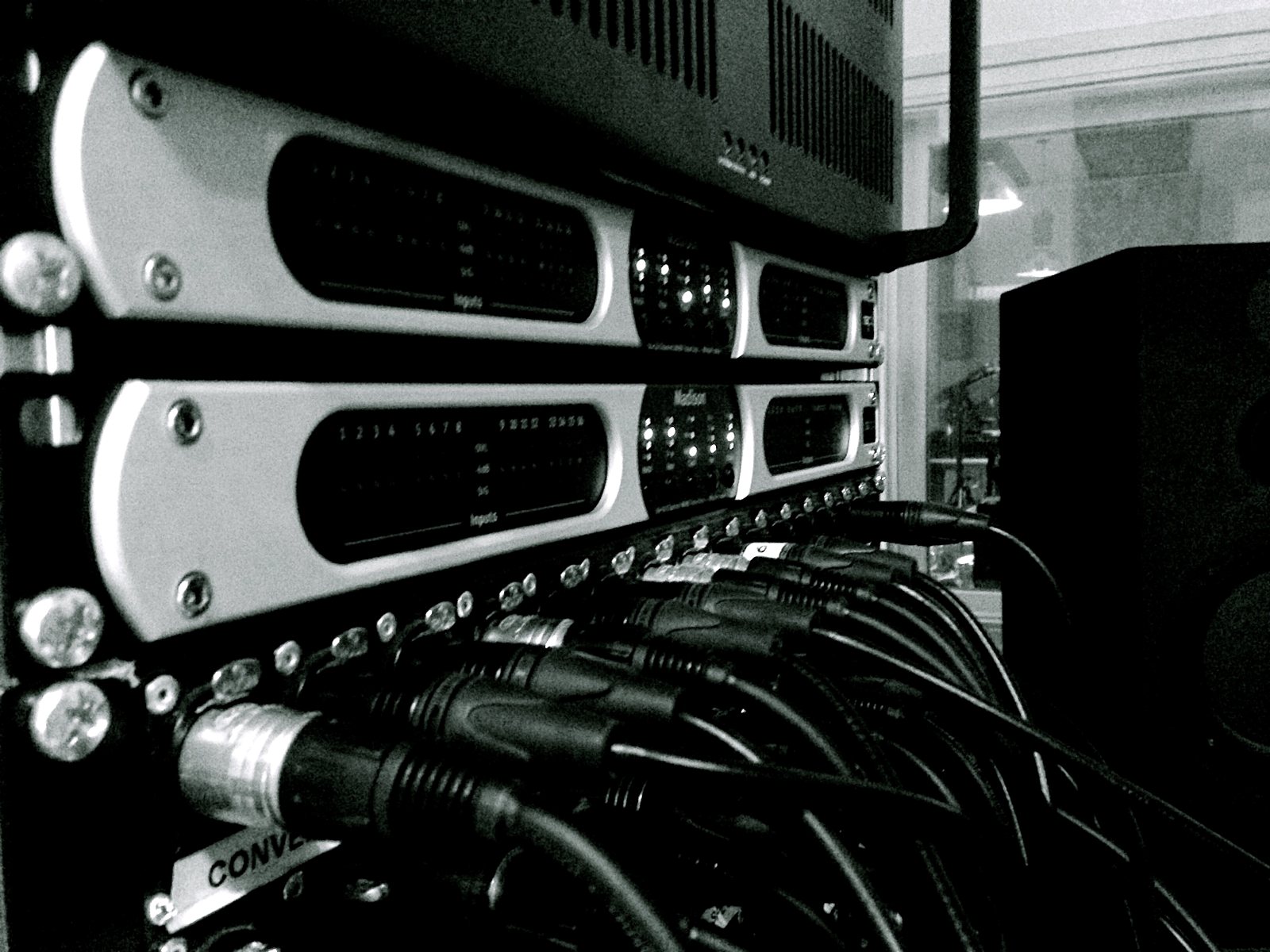
Welcome to the family: Madison 16+16 Channel MADI Interface, 10 december 2015Welcome to the family: Madison 16+16 Channel MADI Interface, 10 december 2015Welcome to the family: Madison 16+16 Channel MADI Interface, 10 december 2015

Gear

Welcome to the family: Madison 16+16 Channel MADI Interface

Madison 16+16 Channel MADI Interface

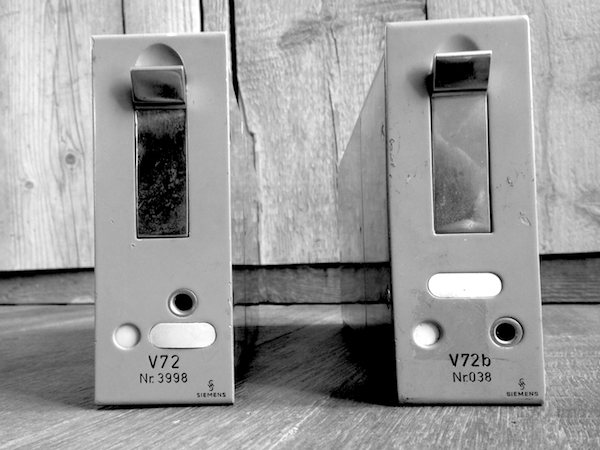
V72 (vintage tube preamps), 21 mei 2015V72 (vintage tube preamps), 21 mei 2015V72 (vintage tube preamps), 21 mei 2015

Gear

V72 (vintage tube preamps)

The V72 and V series The V41 In 1928, the joint venture between AEG and Siemens, simplified as Telefunken, introduced the V1 pre-amplifier that eventually became the V41 after several development stages. At its…

lees de originele post

The V72 and V series

The V41

In 1928, the joint venture between AEG and Siemens, simplified as Telefunken, introduced the V1 pre-amplifier that eventually became the V41 after several development stages. At its release, the V41 was a landmark of technical achievement. Driven by an EF12 tube in a steel casing, the V41 featured a frequency compensated gain control with a selector that allowed the user to switch between 20/25/30/35/40/45/50 dB. The V41 quickly became the pre-amplifier for radio stations throughout Germany and parts of Europe. After WWII, West Germany created the V41b (Telefunken/Maihak/EAB/Siemens) and continued to deploy them up to 1949.

Broadcast Development

In 1948, a Radio Conference was held in Copenhagen, Denmark for European nations to gather and determine how to parcel out the various bandwidths for radio broadcast. With the close proximity of so many sovereign states in continental Europe, the airwaves were becoming overly crowded. Germany had not been invited to this conference due to the recent ill will left over from WWII as well as the fact that it was not technically a nation at that time. The conference members did however set aside a band range for Germany. The problem was that the band range was a midrange bandwidth that was undesirable for broadcast. While the conference parceled out all of the frequencies in the medium-wave band, the Ultra Short Wave (now known as VHF) frequencies were unclaimed and unregulated. Rather than use the sub-optimal medium-wave band range assigned to them, the German radio stations decided instead to move their broadcast frequencies to the VHF range instead.

FM radio was patented in 1933 and in 1941 it was internationally recognized and authorized for use. By 1948, it was still in very limited use. The German engineers realized that FM transmissions worked much better in Ultra Short Wave frequencies than AM and that FM delivered a far superior audio quality than AM. While the rest of the world clung to AM for its long distance capabilities, Germany embraced FM out of necessity and soon became its pioneer and champion.

While FM broadcasts could achieve better sound quality it also more easily exposed flaws in the old equipment. German engineers realized that the equipment would need to be upgraded in order to provide a wider range of frequency response and a lower signal to noise ratio. Additionally, most of the pre-war broadcast equipment had been either destroyed or removed during the war to limit Germany’s communication capabilities and so many stations needed to be restocked with equipment. Both of these scenarios provided the perfect opportunity to upgrade the entire broadcast system in what is now West Germany.

Development of the V72

The North West German Radio (NWDR) working in cooperation with the Institute of Broadcast Technology (IRT) of Hamburg developed a complete new equipment standard for the German radio network. This led to the development of the historic V72 module. The V72 was developed by the NWDR under the technical supervision of Professor Nestler between 1949 and 1952 as a microphone and main studio amplifier. Nestler had previously been the head of R&D for the AEG/Telefunken Electro Acoustic Lab (ELA).

The V72 was modeled on the V41 and the circuits are almost identical with the exception of the gain control section. The V72 also utilized modern advancements like Noval glass tubes and a smaller housing, the "Danner" cassette module. The first 100 units were built at the NWDR Zentraltechnik. Serial numbers 101 to 300 were built by Maihak. These units were built with a set of EF40 tubes, the post-war glass version of the EF12. In later models, this tube was changed out for the sonically superior EF804 and EF804S.

The V72 was a self contained amplifier with a fixed gain level of 34 dB. It was originally used as a microphone amplifier used in conjunction with a Neumann W75k high pass filter and as a buffering amplifier to make up for loss of the passive fader like the Danner MR66/88 and Eckmiller W86 EQs. By 1955 it was the standard preamplifier in German radio stations. With the introduction of the V76, it was replaced as an input module and relegated to use as a buffering amplifier. In 1963 it was decommissioned by the IRT and replaced by the V72t transistor version.

An estimated 25000 V72 modules were built for the German Radio Network alone. The early versions were built by Maihak and Telefunken/AEG. In 1954 Siemens and TAB became sub contractors to make the historic V72. Aside from the German radio stations, the V72 was used by most of the European Recording Companies like EMI, Decca/Telefunken, etc. Siemens designed the V72s to accommodate the specific needs of these recording studios. These units featured a fixed gain of 40 dB and lower input impedance.

Telefunken used the V72s as standard preamplifiers for their broadcast division. In 1960 AEG-Telefunken was the world's largest manufacturer of broadcast systems and sold these units to radio stations in South America, Africa and the Middle East, where most of them are still in use today. In 1966 the production of the V72 stopped at Telefunken. Siemens stopped their production in 1964 but built the V72b version up until to 1966. TAB was the only company that built the V72a up into th

The Historic V72, Today

Today the V72 is still in demand, but most units are now at least 35 years old and need to be rebuilt or refurbished. The electrolytic caps of the power supply are dried out and need to be replaced. The silk-wire of the unit falls apart to the touch and in most cases this winds up shorting out the input and output transformers. The units also suffered when given phantom power. If a standard on/off phantom power supply was used, it would send an arc of electricity up to 2000V across the input transformer that would slowly burn the transformer’s insulation, thus destroying it. Most historic V72 units purchased second hand need to be completely refurbished (new caps, wiring, transformers and tubes) in order to operate at their designed specification.

The V72 Family

Technically speaking, there is a family of V72 type amplifiers that were built around the V72 circuit: the V71, V76, V77 and V78. The close relatives to the V72 are those units that matched the technical data of this little giant, but used a different circuit like the V72a, V72b, V72s, V74a, V70, and V77b.

The V71 was only made by Malotki and was a half size Danner module (without power supply) that incorporated the V72 circuit. The gain could be set with a resistor from 19 to 43 dB and needed an external N52 power supply.

The V72a was the TAB follow up of the V72. The circuit is quite different, incorporating an EF95 and E180F pentodes, and directly related to the V74a. The sound of this mic pre was different but was a better following/buffering amp than the V72 because it could take the higher output level of the V76 without distorting. Some people call it the poor man's V72 because it is easier to find than the V72. Both versions, V72/74, have problems mostly with the input transformer; as they are usually either blown or missing one leg.

The V72b was the Siemens follow up of the V72; a symmetric/balanced mic pre incorporating the E283CC and the E88CC. It was completely different in design to the V72 but sonically on the same level, with better S/N ratio and inter-modulation distortion. It is a good mic-preamp but a much better mastering amp, directly related to the V70 and V77b. Like the V72a the V72b could also easily take the high output level of the V76 with way more head room.

The V76 designed and made by TAB was two V72 modules cascaded in series with additional control features. The unit was capable of achieving 76 dB of gain and driving a signal farther with little to no loss. More importantly, the unit came with a switchable input pad. This allowed the user to change the gain in 6 dB steps across 12 positions- much more control than the V72. Additionally, the V76 typically came with either an 80 Hz or 120 Hz shelf EQ (a V76s version had no shelf EQ and a full frequency repsonse from 20 Hz to 20KHz) allowing the user to get rid of rumble from the mic stand when recording voice. Although the high end frequencies sound muffled when compared to a V72, many engineers preferred the unit due to the controls, increased gain and huge bass sound that it delivers.

The V77 was a Siemens made supercharged V72 with a maximum gain of 80 dB. It produced sound like a V72 but with the gain of the V76. With an external switch (W77) the gain could be adjusted from 0 to 80 dB. Tube set-up, choke and output transformer are all identical to the V72. The input transformer is wound the same way but with a 1 to 40 ratio, because in order to get the required S/N ratio the V77 needed a different power transformer with two separate filament windings.

The V77b is a V72b that has the V77 conversion mentioned above done to it. It is considered by many to be the greatest mastering tube amp of all time.

The V78 was a general purpose or talkback version for the German radio station with an adjustable gain up to 70 dB. Sound and S/N ratio is quite different, even with the circuit and transformers being the same. The difference is because the input and output transformers are hooked up in a different way so that the unit loses its sound character. The V78 is quite easily changed back to meet the V72 specifications.

V241: The East German "V72"

East Germany built the V41b until 1958 (Funkwerk Erfurt/C. Lorenz AG/RFT) and then replaced it with their new model, the V241. This version was more like a mix between the old V41 and the western V72. The tube setup was an EF866 (made by the East German TFK) that is similar to an EF806s and an ECC85. The gain control featured the old V41-style circuit. The V241 was built by RFT, and in 1975 was replaced by their transistor version.

Preamps:

MCI JH 636 - 32 Channels Studer 169 - 10 Channels Studer 903 - 32 channels 2* Telefunken V72 4* NOS Philips EL3710 Tube Mic Preamps 2* SPL Gainstation 2* SPL Premium Preamps 2* SPL Preference Preamps API 3124 Preamps API 3124 mb+ Mixer Preamps API 521C Preamp Vintage Design M581 MK 2 Manley Langevin DVC 4* Siemens V276 2* Telefunken v672 Torre Seem -18 Channels

2016

3 posts

Welcome to the family: Yamaha NS-10M, 9 januari 2016Welcome to the family: Yamaha NS-10M, 9 januari 2016Welcome to the family: Yamaha NS-10M, 9 januari 2016

Gear

Welcome to the family: Yamaha NS-10M

The Yamaha NS-10 is a loudspeaker that became a standard nearfield studio monitor (https://en.wikipedia.org/wiki/Studio_monitor) in the music industry among rock and pop recording engineers. Launched in 1978, the NS-10 started life as a bookshelf…

lees de originele post

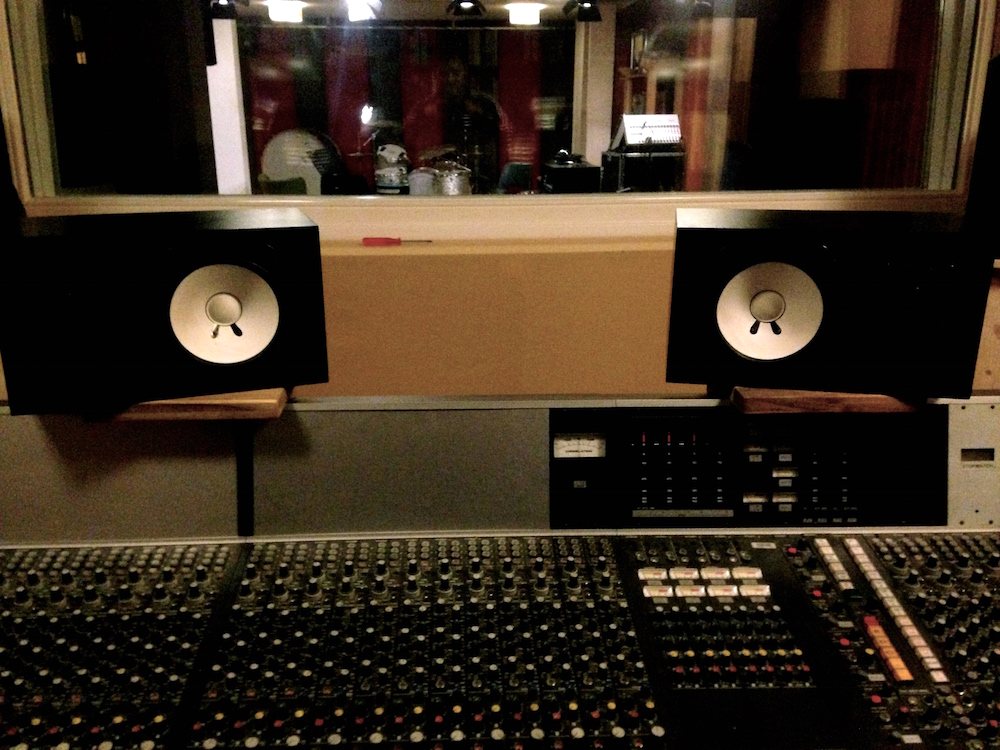
The Yamaha NS-10 is a loudspeaker that became a standard nearfield studio monitor (https://en.wikipedia.org/wiki/Studio_monitor) in the music industry among rock and pop recording engineers. Launched in 1978, the NS-10 started life as a bookshelf speaker destined for the domestic environment. It was poorly received but eventually became a valuable tool with which to mix rock recordings. The speaker has a characteristic white-coloured mid–bass drive unit.

Studio II Gear: Studer 904 (32 channel console) / Studer a80 (16 track tape recorder) / SSL converter / 2*gainstation / Teletronix la2a / Manley Dual Vocal Combo ect.

SPL - IRON mastering compressor, 11 juni 2016SPL - IRON mastering compressor, 11 juni 2016SPL - IRON mastering compressor, 11 juni 2016

Gear

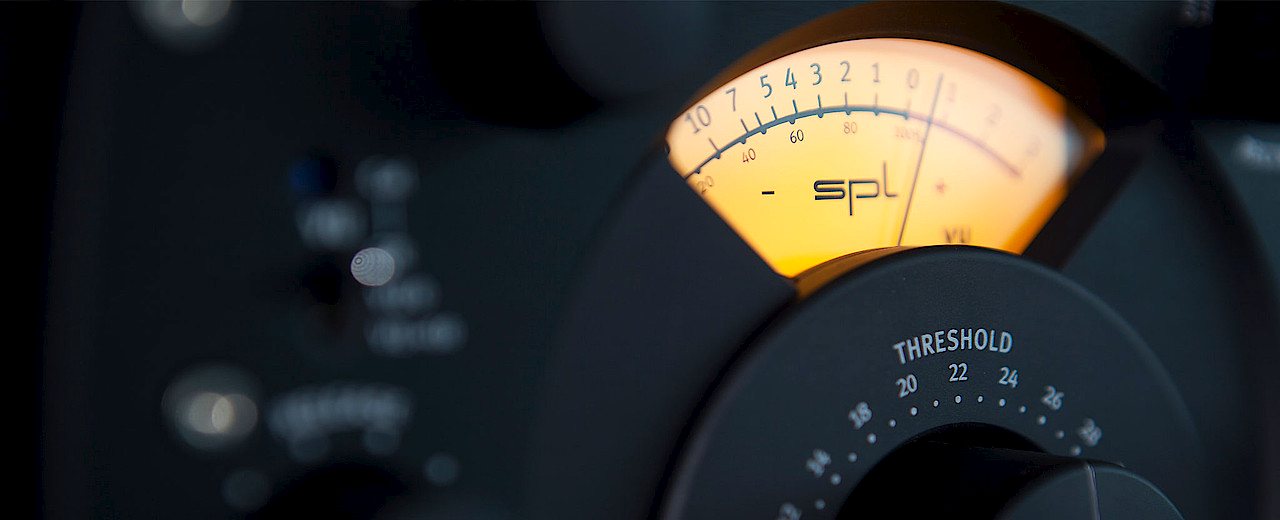
SPL - IRON mastering compressor

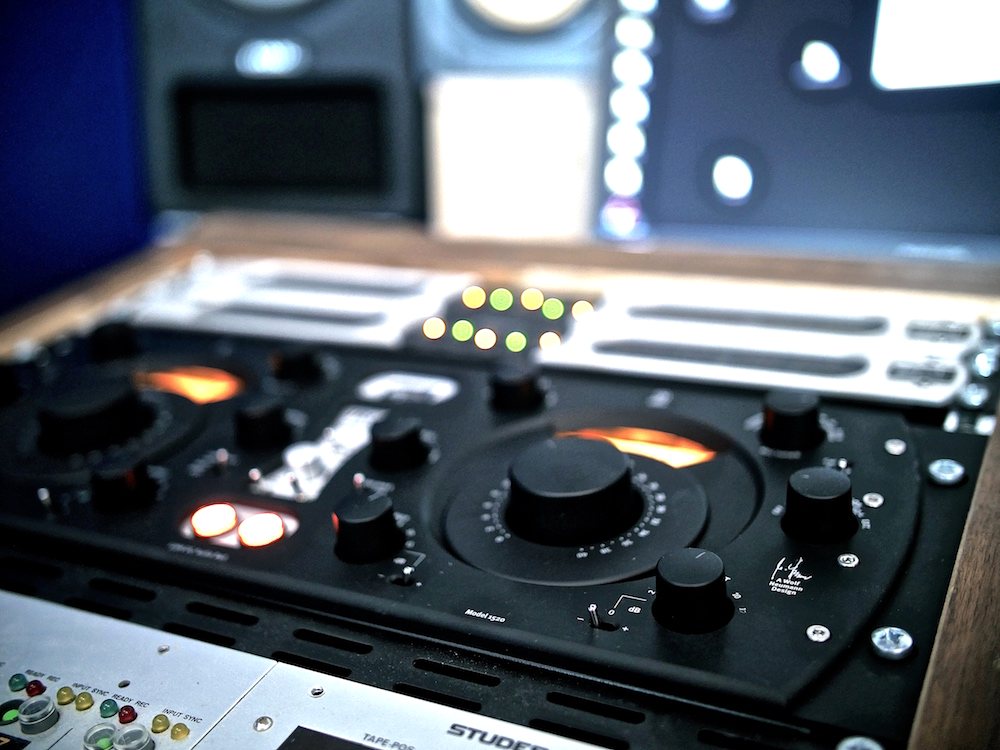
The IRON mastering compressor is not a copy of a classic unit, but rather an original concept in itself. Our goal was to conceive a compressor that provided a pleasant, melodic-sounding, transparent compression, inspired…

lees de originele post

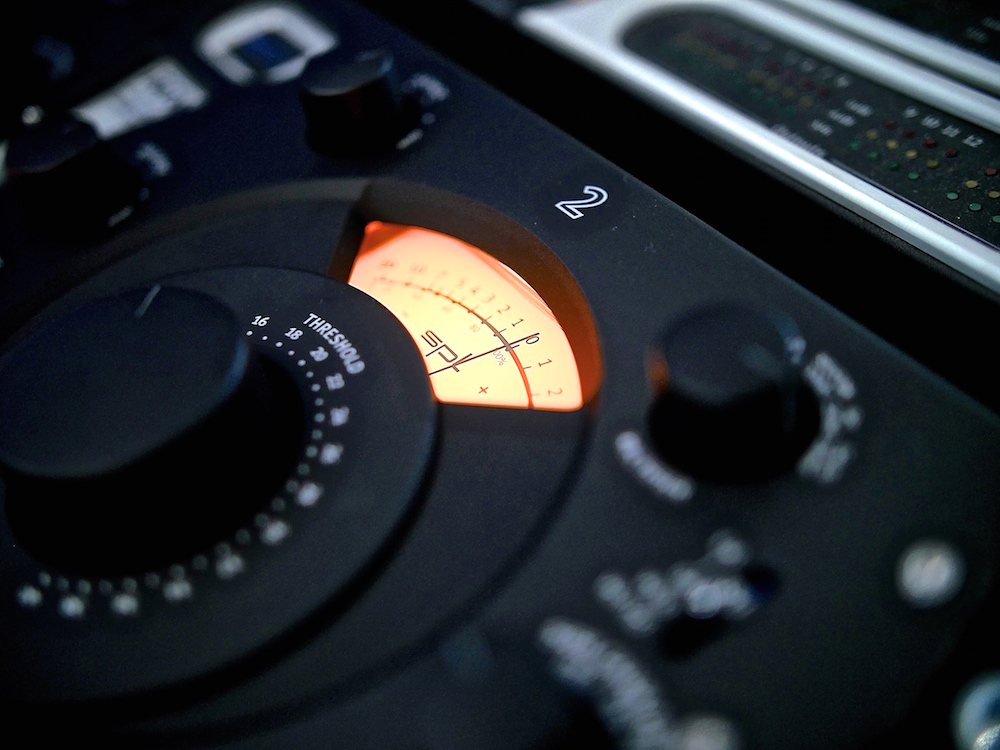
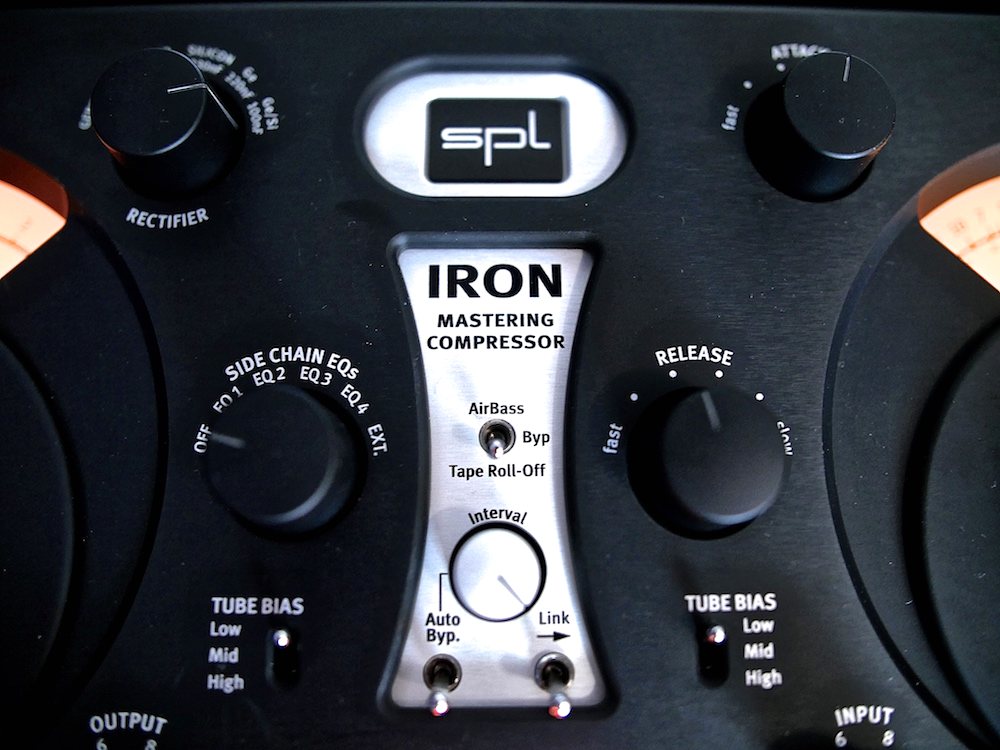
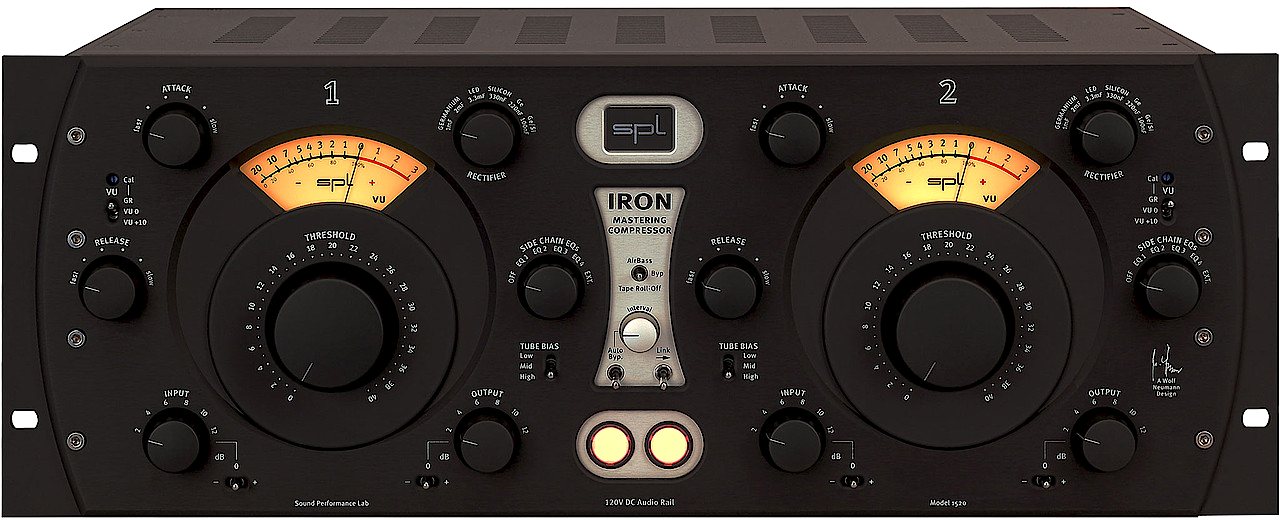
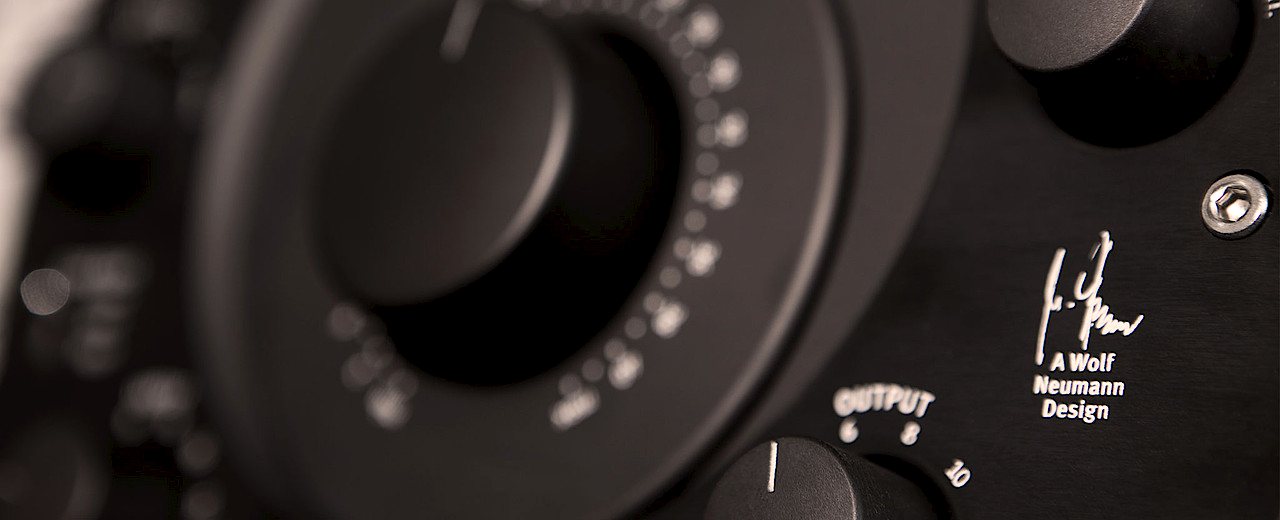
The IRON mastering compressor is not a copy of a classic unit, but rather an original concept in itself. Our goal was to conceive a compressor that provided a pleasant, melodic-sounding, transparent compression, inspired on the vintage compressors of the radio era. And we wanted it to be versatile enough to adapt perfectly to the needs of modern mastering studios.

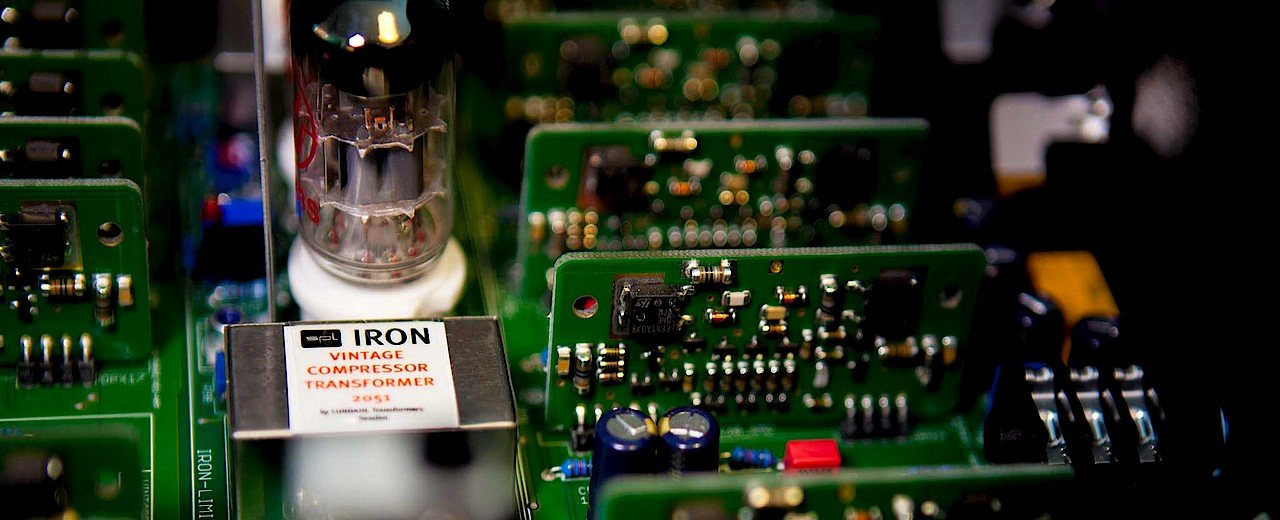
Thus, the IRON combines not only the sonic virtues of legendary vintage tube compressors with the advantages of the High Dynamic 120 V operating voltage in a single unit. It also sets a new benchmark in terms of tube compressor technology, with the innovative implementation of a parallel dual-tube circuit.

Variable bias tube compressor

Parallel dual tube circuit

Tube selection and pairing with Weigl Roe Test

Specially conceived Mu-Metal iron transformers

Feed-forward resistive vactrol-opto-isolator

Six different Rectifier settings available

Sidechain that allows you to choose between Off, four sidechain-filter presets or an external sidechain signal.

All functions can be adjusted via switches or, in the case of the Threshold, with a detented potentiometer

In Link mode, the Threshold, Tube Bias, Attack, Release, and Rectifier parameters, as well as the Sidechain EQs, are controlled with the right side (channel 2) of the unit.

Additional passive 120V equalizer with two presets

High Dynamic 120V operating voltage

Auto Bypass mode

Made in Germany

SPL - IRON mastering compressor, 11 juni 2016SPL - IRON mastering compressor, 11 juni 2016
New Gear: IRON - Mastering Compressor, 1 juni 2016New Gear: IRON - Mastering Compressor, 1 juni 2016New Gear: IRON - Mastering Compressor, 1 juni 2016

Gear

New Gear: IRON - Mastering Compressor

IRON Mastering Compressor The IRON mastering compressor is not a copy of a classic unit, but rather an original concept in itself. Our goal was to conceive a compressor that provided a pleasant, melodic-sounding,…

lees de originele post

IRON

Mastering Compressor

The IRON mastering compressor is not a copy of a classic unit, but rather an original concept in itself. Our goal was to conceive a compressor that provided a pleasant, melodic-sounding, transparent compression, inspired on the vintage compressors of the radio era. And we wanted it to be versatile enough to adapt perfectly to the needs of modern mastering studios.

Thus, the IRON combines not only the sonic virtues of legendary vintage tube compressors with the advantages of the High Dynamic 120 V operating voltage in a single unit. It also sets a new benchmark in terms of tube compressor technology, with the innovative implementation of a parallel dual-tube circuit.

Variable bias tube compressor

Parallel dual tube circuit

Tube selection and pairing with Weigl Roe Test

Specially conceived Mu-Metal iron transformers

Feed-forward resistive vactrol-opto-isolator

Six different Rectifier settings available

Sidechain that allows you to choose between Off, four sidechain-filter presets or an external sidechain signal.

All functions can be adjusted via switches or, in the case of the Threshold, with a detented potentiometer

In Link mode, the Threshold, Tube Bias, Attack, Release, and Rectifier parameters, as well as the Sidechain EQs, are controlled with the right side (channel 2) of the unit.

Additional passive 120V equalizer with two presets

High Dynamic 120V operating voltage

Auto Bypass mode

Made in Germany

New Gear: IRON - Mastering Compressor, 1 juni 2016

2017

1 posts

Moon Music Gear, 6 augustus 2017

Gear

Moon Music Gear

Vintage Tube Mics: 3* Neumann M49 1* Telefunken ELAM251E 2* Telefunken U47 2* Neumann U67 1* Neumann SM69 (stereo mic) 2* Neumann Km64 Condensators: 2* Neumann Km 130 Ribbon Mics: 3* COLES 4038 1*…

lees de originele post

Vintage Tube Mics:

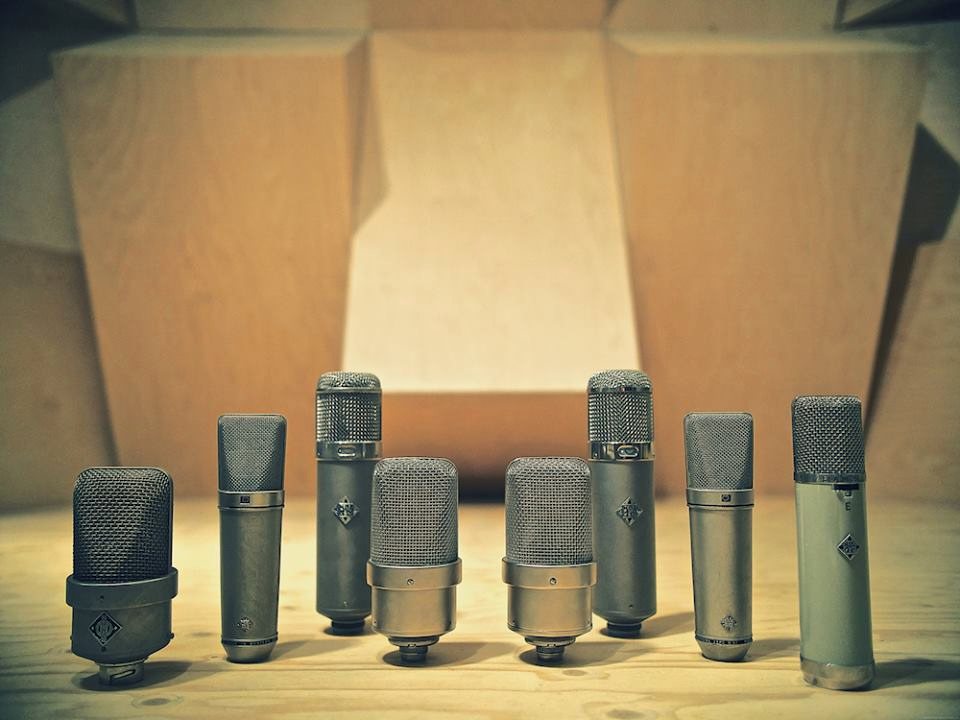
3* Neumann M49 1* Telefunken ELAM251E 2* Telefunken U47 2* Neumann U67 1* Neumann SM69 (stereo mic) 2* Neumann Km64

Condensators:

2* Neumann Km 130

Ribbon Mics:

3* COLES 4038 1* Royer R 121 1* Royer R 101 1* AEA A 840 2* Beyerdynamic m260

Vintage dynamic Mics:

2* Sennheiser MD421 (black) 3* Sennheiser MD421 (white) 2* Sennheiser MD 21 2* Sennheiser MD441 2* Akg D25 2* Akg D202 2* Akg D222 2* Akg D224 1* Akg D190 2* Akg D19 2* Uher m534 1* Beyerdynamic M88 3* Electrovoice RE55

Dynamic Mics:

1* Beyerdynamic 51 2* Shure SM58 3* Shure SM57 2* BSS AR133 DI 2* DBX DI 1* Summit Tube DI 1* Radial Reamping Box.

Tape Recorders:

Studer A80 2" 16 Track Tape Machine / Studer A800 Mk III 2" 24 Track Tape Machine

Mixers:

Vintage MCI JH 636 - 32 channels / Vintage Studer 904 - 32 channels / Vintage Studer 169 - 10 channels / Torre Seem - 16 channels / SPL NEOS - summing mixer / API 3124 MB+

Compressors:

1* Teletronix La2a 1* SPL IRON 2* Universal Audio 1176 LN 1* ADR Compex F760X stereo vintage compressor 2* API 525 Compressor 1* Cranesong Trakker 2* Manley Langevin DVC 2* SPL Transient Designers

EQ:

8* Neve 1073 1* SPL PASSEQ 1* SPL PQ 1* MCI JH 636 - 32 Channels 1* Studer 169 - 10 Channels 1* Studer 901 -24 Channels

Preamps:

8* Neve 1073 1* MCI JH 636 - 32 Channels 1* Studer 169 - 10 Channels 1* Studer 901 -18 Channels 2* Telefunken V72 4* NOS Philips Tube Mic Preamps matched pair 1001 & 1002 2* SPL Gainstation 2* SPL Premium Preamps 2* SPL Preference Preamps 1* API 3124 Preamps 1* API 3124 mb+ Mixer Preamps 1* API 521C Preamp 1* Vintage Design M581 MK 2 1* Manley Langevin DVC 4* Siemens V276 2* Telefunken v672 1* Summit Aduio TD - 100
Studio Effects:

EMT 140 Plate Reverb / EMT 240 Goldfoil Plate Reverb / Akg bx 15 Spring reverb / Akg bx 20 Spring reverb / Eventide H910 / Roland Space Echo re201 Tape echo / Roland SRE 555 Chorus Echo / Roland Dimension D / MXR Digital Delay / MXR Flanger Doubler / Dynacord Digital Delay / Watkens Copicat Tape echo

Effects:

Fender '63 Tube Reverb / DrNo Effects Drive-O-Matic / DrNo Effects Black Magic / DrNo Effects More Garry / DrNo Effects Madfly / DrNo Effects Octofuzz / DrNo Effects Kafuzz!! / KOMA Elektronic FT 201 / KOMA Elektronic BD 201 / Moog Ring Modulator / Moog Phasor / Moog Lowpass filter / MXR Flanger Doubler / MXR Digital Delay / Roger Mayer Vodoo Vibe / Sherman Filterbank / Roland Space echo re201 / Roland SRE 555 Chorus Echo / Watkens Copycat / Mutron Envelope Filter / Mutron Phaser II / MXR distortion + / Kenton Pro 2000 MK II / Visual Sound H2O Analog Chorus u.dig.Delay / Memoryman / ElectroHarmonix: Memory Man Deluxe / ElectroHarmonix: Pog / ElectroHarmonix: Big Muff / ElectroHarmonix: Electric Mistress / Multiplex Ocataver / Smallclone / Smallstone /Fenderblender / AC booster/ Tube screamer / Superfuzz Univox / FussFace / Marshall Bluesbreaker Overdrive / EA Tremole / Memoryman / MXR Bluebox

ADDA:

2* Madison 16+16 Channel MADI Interface 2* SSL Alpha Link MADI AX 2* RME HDSP - MADI 128 CH 1* RME Madiface

Monitors

PMC IB1S /Bryston 4BSST / PMC TB2S / 2* Yamaha Ns-10 / Bryston 2B

Guitar Amps:

Meyer Brighton 45 / Fender 1964 Blackface Tremolux top & Cab / Fender Bassman top / Fender Bassman 4x12 speakercabinet / Fender Musicmaster Silverface 1970's / Vox AC 50 Top / Vox AC 50 2x12 speakercabinet / Marshall cabinet 4x12 speakercabinet / Tikvoet Grundig Buizen Radio Amp / Orange Rocker 30 / Vox ac30 / Leslie 144 / Elkatone Leslie / Fender '63 Tube Reverb

Guitars:

2* Fender Strat 2* Fender Telecaster

Keys:

Vintage Moog MiniMoog Model D / Hammond orgel C2 met percussion en pedalsustain + Leslie 147 / Piano: Hilger / Baby vleugel / Mellotron M400 / Fender Rhodes Mark 1 / Polivoks (vintage Russian synth) / Korg MS 20 / Korg Polysix / Moog Prodigy / Juno60 Synth / Korg VC-10 / Kenton Pro 2000 MK II / Sherman Filterbank

Bass Amps:

Fender Bassman Head / Fender Bassman 4 x 12 speakercabinet / Vox AC 50 Top / Vox AC 50 2x12 speakercabinet / Ampeg SVT Classic Head / Ampeg SVT 4 X 10 speakercabinet

Bass Guitars:

Fender Jazz bass / Fender Musicmaster

Drums:

Vintage Gretsch drumkit: Chrome over Wood: basdrum 22x14, 24x14, toms 13, floor 16 x18

Vintage Sonor drumkit: basdrums 22x14, toms 12, 14, floor 16 x18

Vintage Ludwig Drumkit: basdrums 20x14, toms 12 x 10, floor 14 x 14

Snares:

Gretsch COB / Ludwig LM 400 / Ludwig keystonebadge 14*4,5 / Ludwig keystonebadge maple 15*14 / Sonor steel snare /Royal steel snare / Tama Snare / Slingerland / Gretsch

Cymbals:

Istanbul & Zildijan Cymbals
Hihats - Istandbul Mel Lewis 14" / Istanbul Turk 14" / Zildjian 14" new beat / Sabian 13" AAX
Rides - Zildjian 22" Custom / Zildjian 20" Custom / Zildjian 18" Jazz / Istanbul 21" Mell Lewis / Istanbul 20" Turk Dry

Crashes - Zildjian 18" Dark Custom / Zildjian 17" Dark Custom / Istanbul 17" Turk Crash / Istanbul 20" Ohm crash

Opnemen op de moon

Opnemen, mixen of een livesessie in onze studio's in Maasbracht en Utrecht.

Secret Link